
Amazon has started letting some US customers shop by sending text messages to its Alexa AI assistant. The company announced the feature, called Alexa for Shopping by text, on Friday, November 6, according to TechCrunch, Engadget and Amazon’s own announcement.
How it works. Select US customers will get a text asking them to enable the feature, according to TechCrunch. Users who have access can text Alexa in natural language to search for items, add them to a cart and buy them. Other coverage says invited users accept terms and link a phone number, then message a contact saved as Alexa Shopping, and that purchases are completed with the customer’s approval.
What else it can do. Building on earlier Alexa shopping upgrades, users can manage lists, track prices, search for items across the web, compare products and check order status, according to TechCrunch. They can also share a picture of an item, or of someone wearing an outfit, to find similar listings on Amazon. Amazon said Alexa will learn users’ preferences over time and suggest items accordingly. Conversations begun by text can continue in the Amazon Shopping app, on Amazon.com or on Alexa devices, according to other reports.
Who gets it. Access is limited at first. Users who are not invited can join a waitlist at amazon.com/text-alexa-shopping, according to TechCrunch, and the feature will roll out more broadly in the coming weeks. Reports differ on the scale: a social summary on TechCrunch’s page says it will reach millions of users, while the article’s body only says select US customers and a wider rollout, so the number of people is not established.
The Muse background. TechCrunch notes that Amazon blocked Meta’s Muse agent from querying its site in September, and the new feature comes as Amazon builds its own agent. The article does not say whether the block has been lifted and gives no statement from Amazon or Meta about it.
The wider agent market. TechCrunch links the launch to DoorDash’s comment last month that third-party AI agents had placed only hundreds of orders on its platform, and says DoorDash is focusing on its own text-based agent, launched in September. The article describes the market for consumer AI agents as ballooning, with platforms such as Amazon building their own.
What is not stated. The article does not give pricing, the messaging channel or carriers involved, availability outside the US, how preferences are stored, or whether the feature needs a paid Alexa tier. Amazon also did not give a quote from a named executive in TechCrunch’s report.
Why it matters. Texting a shopping assistant is closer to how many people already talk to friends, and could make buying quicker. It also keeps the customer inside Amazon’s own agent instead of a rival’s, which helps to explain the Muse block. For shoppers in the US, the main points are to check what the assistant is allowed to buy and to keep an eye on order confirmations.
What to watch. Look for the wider rollout, any pricing, whether other retailers launch their own text agents, and Amazon’s stance on third-party agents such as Muse.
Sources: TechCrunch, Engadget and Amazon’s announcement. Details are as reported by those outlets and Amazon.
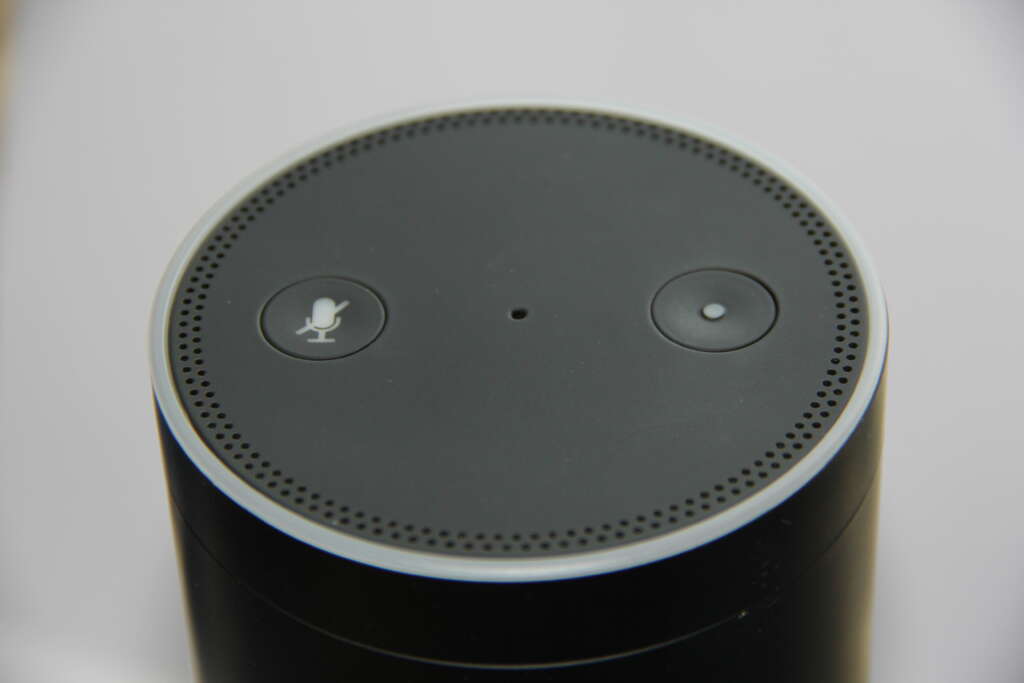
Amazon Echo Plus smart speaker (file image), Wikimedia Commons, CC BY-SA 4.0