|
Getting your Trinity Audio player ready... |
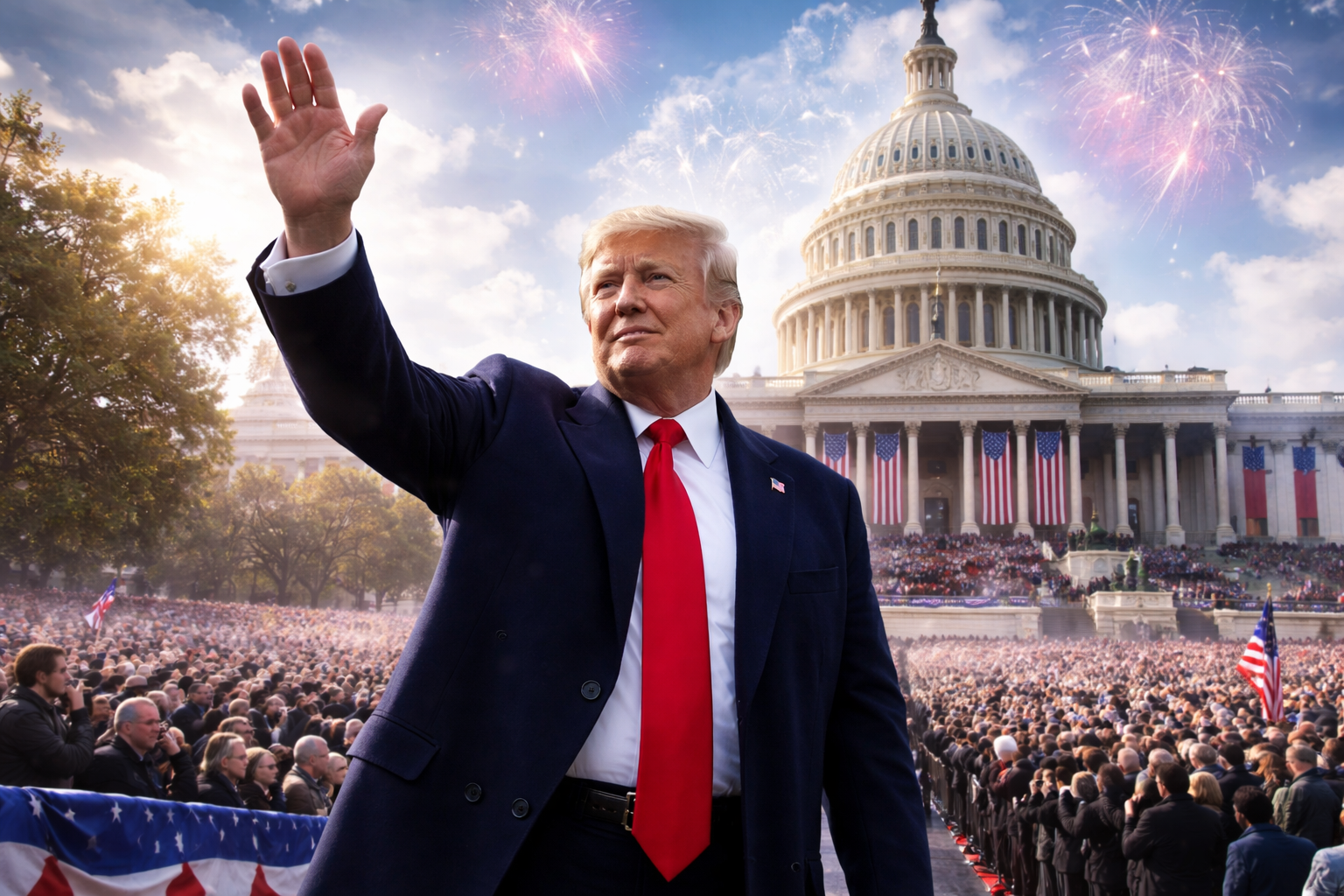
Donald Trump officially began his second presidential term on January 20, 2025, marking a historic return to the White House after defeating Vice President Kamala Harris in the November 2024 election. The inauguration ceremony drew thousands to Washington D.C., symbolizing a new chapter in American political history.
Trump’s victory in the 2024 presidential election came after a contentious campaign season that captivated the nation. His win represents only the second time in American history that a president has served non-consecutive terms, following Grover Cleveland’s precedent from the late 19th century.
The new administration has wasted no time outlining its priorities for the next four years. Key policy focuses include economic reform, immigration enforcement, energy independence, and reshaping America’s role on the global stage. Trump’s cabinet selections have generated significant discussion, with appointees representing a mix of previous administration officials and new faces aligned with his vision.
Economic policy remains central to Trump’s second-term agenda. The administration has promised tax reforms aimed at stimulating business growth and job creation. Manufacturing revitalization and renegotiating trade agreements are expected to be major legislative priorities in the coming months. Inflation control and reducing the national debt have also been highlighted as critical objectives.
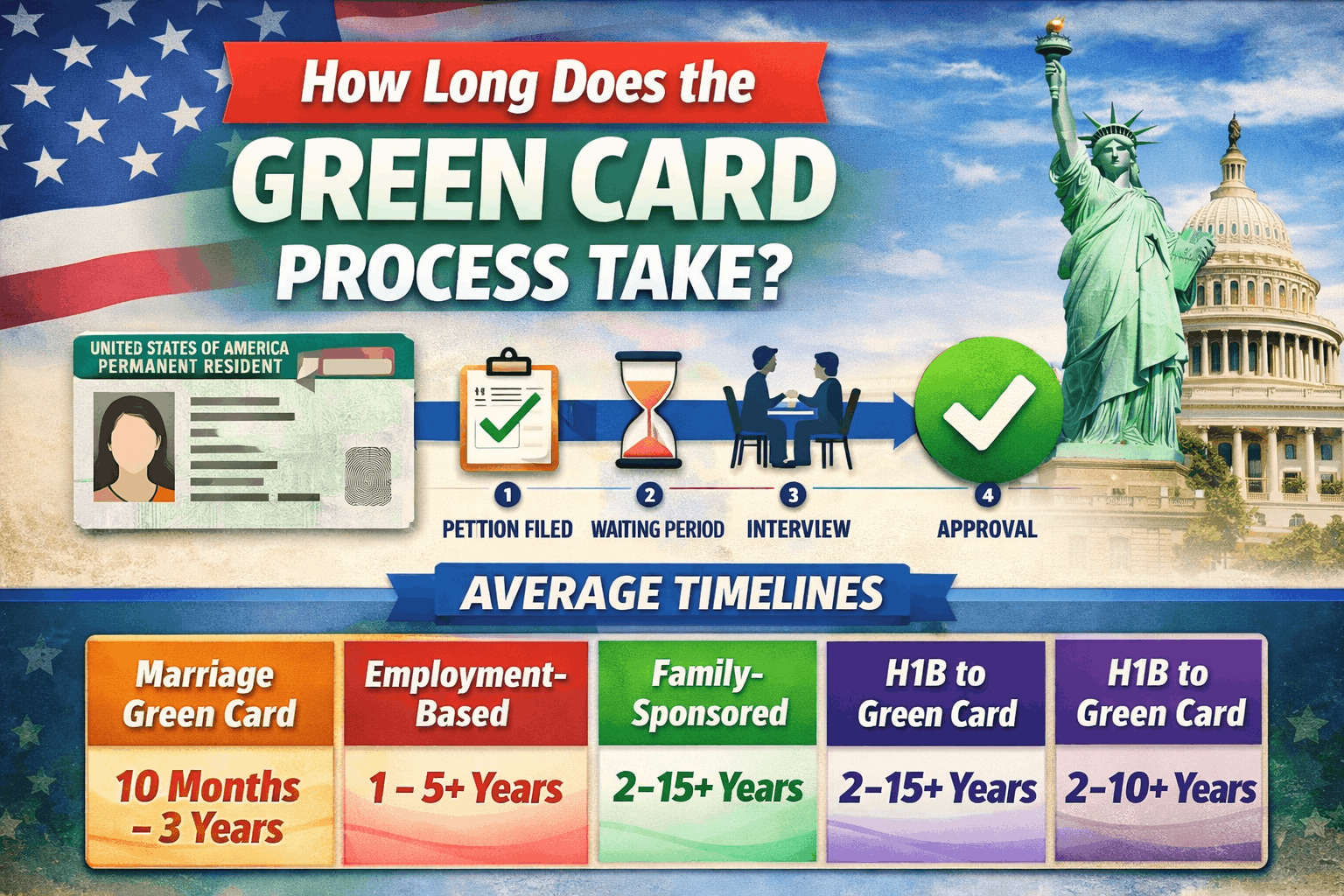
Immigration policy continues to be a defining issue for the Trump administration. Enhanced border security measures, stricter enforcement of existing immigration laws, and reforms to the legal immigration system are anticipated. These policies have sparked debate across the political spectrum, with supporters praising security measures and critics raising concerns about humanitarian implications.
On the international front, Trump’s second term is expected to bring significant shifts in American foreign policy. Relationships with traditional allies, approaches to international conflicts, and strategies regarding China and Russia will likely evolve. Trade negotiations, military commitments, and diplomatic priorities are all areas where substantial policy changes may emerge.
The domestic political landscape remains highly polarized as Trump begins his second term. Democrats in Congress have vowed to provide oversight and opposition where they disagree with administration policies, while Republicans are largely unified behind the president’s agenda. This dynamic will shape legislative battles throughout the term.
Public reaction to Trump’s return has been predictably divided, reflecting the deep political divisions that characterized the 2024 election. Supporters express optimism about economic prospects and national security, while critics voice concerns about democratic norms and social cohesion.
As the first 100 days unfold, analysts will be watching closely to see which campaign promises translate into concrete policy actions. Executive orders, legislative proposals, and administrative changes will provide early indicators of the administration’s direction and priorities for the next four years.