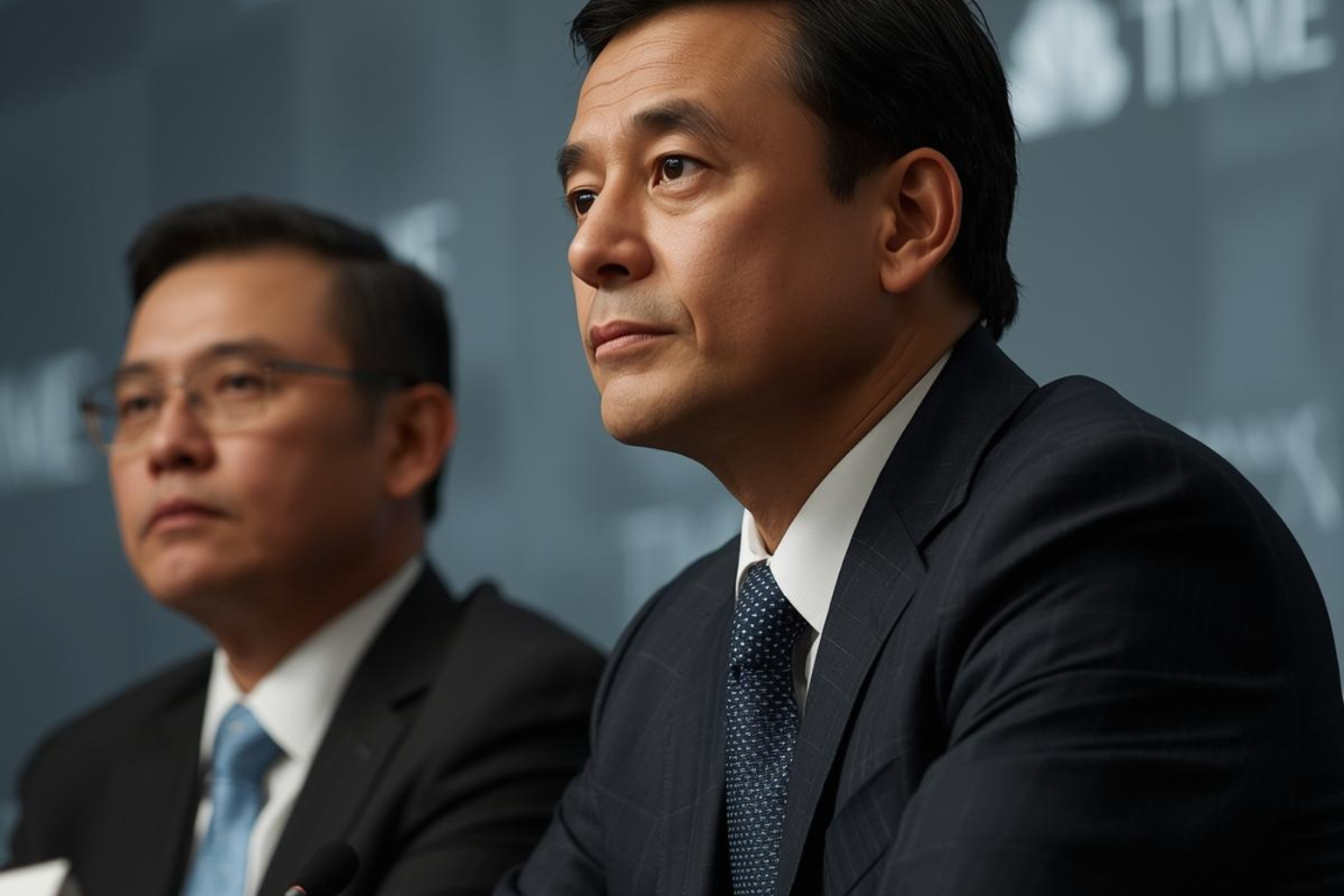
TIME has selected the Architects of AI as the Person of the Year 2025; a symbolic decision that reflects artificial intelligence becoming the most influential force shaping global economics, politics and culture. The announcement places the leaders behind modern AI systems at the center of an international conversation that continues to expand across industries and regulatory frameworks.
The TIME Person of the Year 2025 designation recognizes a group whose scientific and engineering breakthroughs have altered the world at an unprecedented pace. TIME magazine stated that the award focuses on the individuals whose innovations define the digital age and influence geopolitical decisions. This selection aligns with broader global debates on the governance of AI models and the societal impact of automated decision systems. Searches for the phrases time’s person of the year 2025 and time magazine person of the year 2025 surged immediately after the publication; analysts described the momentum as a signal of public interest in AI accountability and opportunity.
The group featured in TIME’s coverage represents researchers, developers and policy architects who have contributed to generative AI platforms, advanced machine learning systems and large scale infrastructure supporting public and enterprise adoption. Their work aligns with economic forecasts suggesting that AI integration will guide productivity strategies across finance, healthcare, education and national security. TIME emphasized that this selection illustrates the convergence of science, ethics and global policy under a single narrative.
International reaction has been immediate. Government officials in Australia, the United States and Europe have referenced the announcement while addressing the need for updated regulatory protections. Technology analysts argue that the recognition positions AI leadership as a global power center. The person of the year 2025 coverage evaluates how AI models influence national elections, digital identity frameworks and labor market transformations. TIME also cited concerns regarding misinformation risks and data security vulnerabilities; these issues remain critical to policy makers who seek long term stability.
Industry leaders noted that the magazine’s decision underscores the shift from traditional tech heroes toward collaborative networks of researchers. The time person of the year title usually celebrates individuals; however, the grouping of AI pioneers signals an acknowledgment that modern innovation is distributed across engineering teams and global datasets. TIME’s editorial board highlighted that core progress in 2024 and 2025 was driven by collective intelligence rather than isolated achievements.
Economic analysts have linked TIME’s announcement to market movement across major AI firms. Several companies involved in generative modeling and infrastructure deployment saw heightened investor interest following the reveal. The coverage states that AI architectures are expected to support new productivity standards and accelerate enterprise transformation strategies throughout 2025.
Public sentiment remains divided. Supporters believe TIME’s decision captures the reality of a world shaped by automation and computational intelligence. Critics argue that honoring AI leaders risks overshadowing ethical concerns and potential misuse of the technology. TIME’s feature addressed these perspectives by outlining governance challenges and emphasizing the importance of responsible adoption.
The announcement also provided insight into emerging global standards. Nations collaborating on AI safety frameworks referenced the time’s person of the year selection as evidence that technological leadership has become a geopolitical priority. Analysts suggest that the award may accelerate policy negotiations throughout 2025 as governments refine their positions on transparency requirements and responsible data practices.
TIME’s Person of the Year 2025 issue concludes that artificial intelligence has become central to global development. The Architects of AI represent a pivotal shift in how societies measure progress and assign influence. The recognition signifies a strategic moment in which innovation and governance converge, defining the trajectory of the coming decade.