|
Getting your Trinity Audio player ready... |
The technological landscape continues evolving at lightning speed. As we move through 2026, several groundbreaking innovations are reshaping how we live, work, and interact with the digital world. Understanding these technology trends 2026 offers isn’t just interesting it’s essential for staying competitive in our increasingly connected world.
Understanding Web 4.0 Technology
What is Web 4.0 Technology?
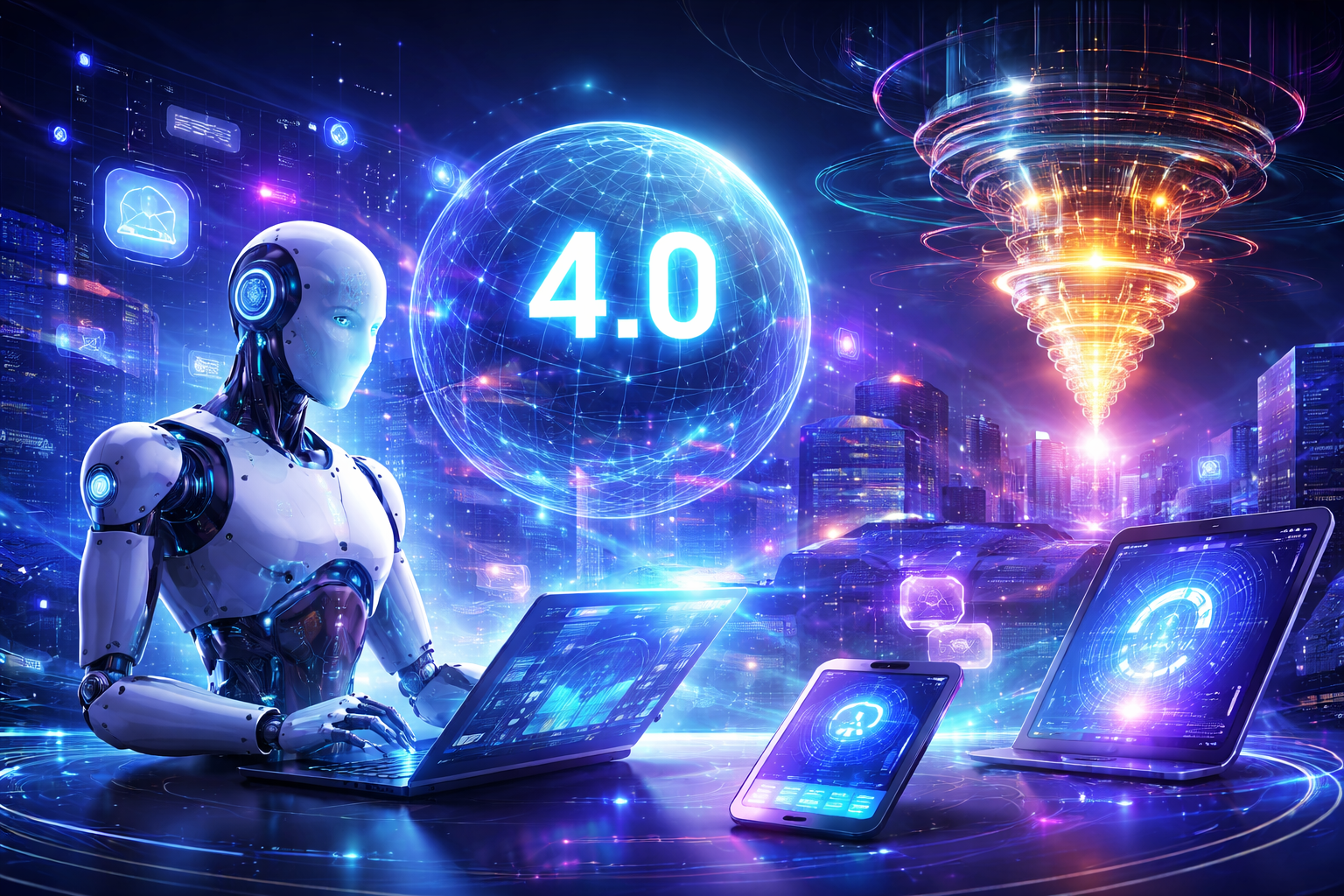
Web 4.0 represents the next generation of internet evolution, building upon the decentralized promise of Web 3.0. This emerging phase emphasizes intelligent, autonomous systems that understand context and user intent at unprecedented levels.
Unlike previous iterations, Web 4.0 integrates artificial intelligence deeply into the web’s fabric, creating truly symbiotic relationships between humans and machines. The technology enables websites and applications to anticipate needs, adapt interfaces automatically, and deliver hyper-personalized experiences without explicit user commands.
Key Features of Web 4.0
The defining characteristics of this future technology include:
- Intelligent Automation: Systems that learn from interactions and improve continuously
- Semantic Understanding: Websites that comprehend meaning, not just keywords
- Ubiquitous Connectivity: Seamless integration across all devices and platforms
- Enhanced Privacy Controls: User-centric data ownership and management
- Immersive Experiences: Blending physical and digital realities naturally
Businesses adopting Web 4.0 principles gain competitive advantages through deeper customer insights and more efficient operations. The technology promises to eliminate friction points that have plagued digital experiences for years.
Quantum Computing Explained: Real-World Applications
Breaking Down Quantum Computing
Quantum computing represents a fundamental shift from traditional computing methods. Instead of processing information as binary bits (zeros and ones), quantum computers use quantum bits or “qubits” that exist in multiple states simultaneously.
This quantum computing real world use unlocks processing power that would take conventional supercomputers millennia to achieve. The technology isn’t replacing your laptop it’s solving specific, incredibly complex problems that current computers simply cannot handle.
Practical Applications Emerging Now
Several industries are already implementing quantum solutions:
Healthcare and Drug Discovery: Pharmaceutical companies use quantum algorithms to simulate molecular interactions, accelerating medication development from decades to months. This dramatically reduces costs while potentially saving countless lives.
Financial Modeling: Banks and investment firms leverage quantum computing for risk analysis, detecting fraud patterns invisible to traditional systems, and optimizing trading strategies in microseconds.
Climate Modeling: Researchers employ quantum systems to process vast environmental datasets, creating more accurate climate predictions that inform policy decisions and conservation efforts.
Cybersecurity: Quantum encryption methods are establishing unhackable communication channels, protecting sensitive data from even the most sophisticated threats.
The quantum computing explained simply: it’s about solving humanity’s most challenging problems exponentially faster.
AI Devices Transforming Daily Life
The Rise of Intelligent Hardware
AI devices have moved beyond smartphones and smart speakers. The emerging technologies category now encompasses wearables, home systems, and even clothing embedded with artificial intelligence capabilities.
These AI-powered devices understand context, predict needs, and act autonomously while respecting user preferences. They’re becoming invisible assistants that enhance rather than interrupt daily routines.
Categories of AI Devices Leading 2026
Personal Health Monitors: Advanced wearables now detect health issues before symptoms appear, monitoring everything from glucose levels to early cancer markers through non-invasive sensors.
Smart Home Ecosystems: Modern homes adjust temperature, lighting, and security based on occupant patterns, weather forecasts, and energy prices all without manual programming.
Autonomous Transportation: Self-driving vehicles communicate with infrastructure and each other, reducing accidents while optimizing traffic flow across entire cities.
Productivity Assistants: Devices that transcribe meetings, summarize documents, and manage schedules have become indispensable workplace tools, freeing humans for creative and strategic work.
The future tech trends in USA show particularly strong adoption in healthcare and productivity sectors, where AI devices deliver measurable return on investment.
Convergence: Where These Technologies Meet
The real excitement comes from how these technology trends 2026 showcases work together. Web 4.0 platforms powered by quantum computing backends deliver AI device experiences that feel almost magical.
Imagine smart glasses that translate foreign languages in real-time, using quantum-processed neural networks through Web 4.0 infrastructure all while protecting your privacy through quantum encryption. This isn’t science fiction; prototypes exist today.
Preparing for the Future Technology Landscape
Organizations and individuals should take specific steps now:
- Invest in Digital Literacy: Understanding these emerging technologies provides career advantages and business opportunities
- Prioritize Adaptability: Technologies will continue evolving rapidly; flexible thinking matters more than specific technical skills
- Consider Ethical Implications: Each advancement raises questions about privacy, equity, and societal impact that deserve thoughtful consideration
- Start Small: Experiment with accessible AI devices and Web 4.0 platforms before committing to major transformations
The future belongs to those who embrace change thoughtfully rather than reactively.
Conclusion
Technology trends 2026 presents Web 4.0, quantum computing, and AI devices aren’t isolated developments. They represent interconnected shifts that will fundamentally reshape society over the coming decades. While challenges remain around accessibility, security, and ethical implementation, the potential benefits are transformative.
Success in this evolving landscape requires staying informed, remaining adaptable, and thinking critically about how these technologies serve human needs. The question isn’t whether to engage with these emerging technologies, but how to do so in ways that create value while maintaining our humanity.
Frequently Asked Questions
What is Web 4.0 technology in simple terms?
Web 4.0 is the next internet evolution that uses artificial intelligence to create smarter, more personalized online experiences. It understands what you need before you ask, works seamlessly across all devices, and gives you better control over your personal data.
How will quantum computing affect everyday people?
Quantum computing won’t directly replace your personal computer. Instead, it works behind the scenes to solve complex problems in medicine, weather forecasting, and security that improve services you already use. Think faster drug discoveries, better climate predictions, and stronger online protection.
Are AI devices safe and secure?
Modern AI devices incorporate multiple security layers, including encryption and privacy-focused design. However, users should research specific products, read privacy policies, and use strong passwords. Reputable manufacturers prioritize security, but staying informed about your devices remains important.
Which technology trend will have the biggest impact?
Each technology offers unique benefits, but AI devices will likely affect daily life most immediately since they’re already widely available. Quantum computing and Web 4.0 will drive longer-term transformations that reshape industries and societal structures.
How can I prepare for these technology trends?
Start by staying curious and learning basics about each technology. Experiment with accessible AI devices, follow reputable tech news sources, and consider how these trends might affect your career or business. Building adaptability and digital literacy matters more than mastering specific tools.