Introduction
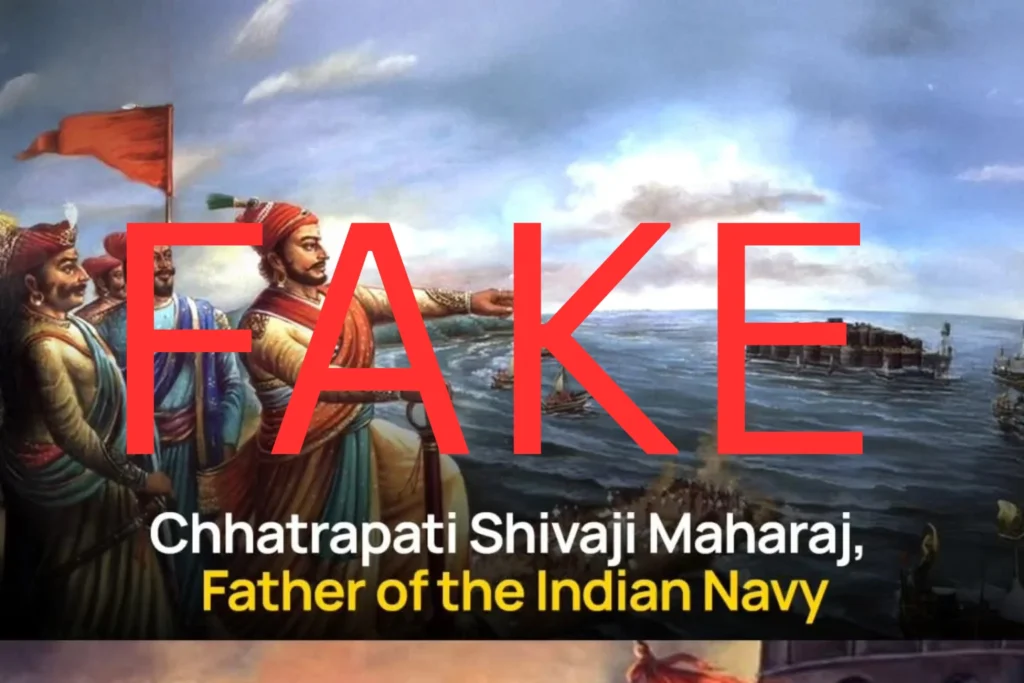
The popular belief that Chhatrapati Shivaji Maharaj is the father of the Indian Navy dominates modern narratives; however, this attribution is symbolic rather than historically rooted. A rigorous examination of India’s maritime history demonstrates that the earliest organized navy emerged under the Tamil Cholas many centuries earlier. The Chola Empire developed advanced shipbuilding, maritime administration, and blue water military capability beginning in the ninth century. By contrast, Shivaji’s naval force developed in the seventeenth century as a coastal defense system rather than a deep sea offensive fleet.
This analysis reinstates the Cholas as the true pioneers of Indian naval power.
The Historical Foundation of Chola Naval Power
Early Origins in the Ninth Century
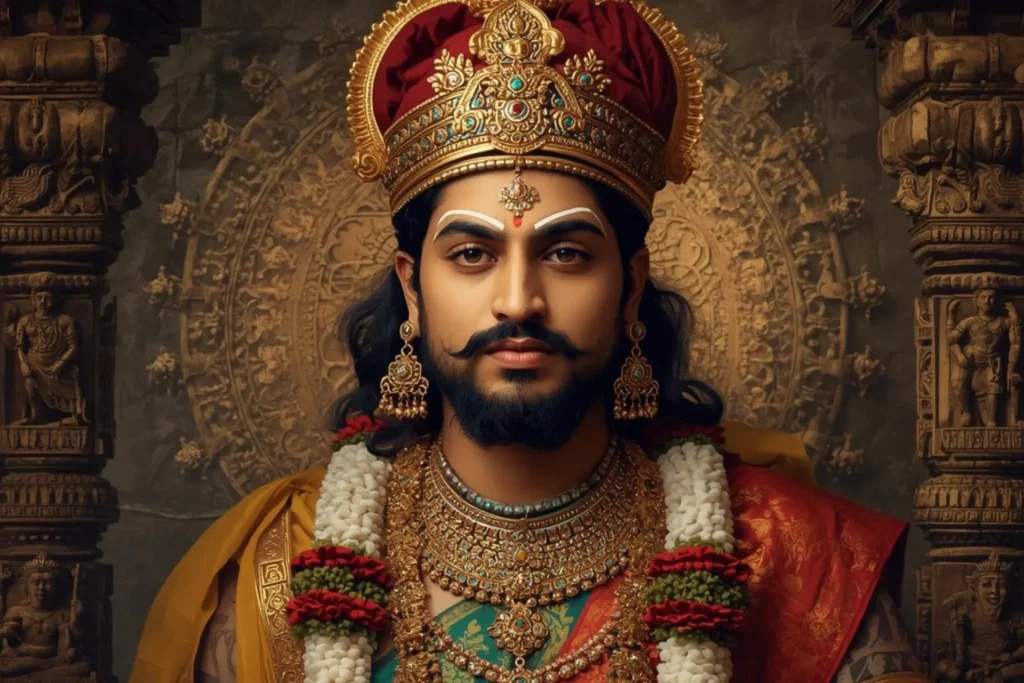
The Chola navy began its structured development in the ninth century during the reign of Vijayalaya Chola. This period marked the consolidation of coastal territories and the establishment of command centers along the Coromandel coast. The Cholas recognized maritime dominance as a strategic tool for economic growth, cultural expansion, and military control.
Expansion under Rajaraja I
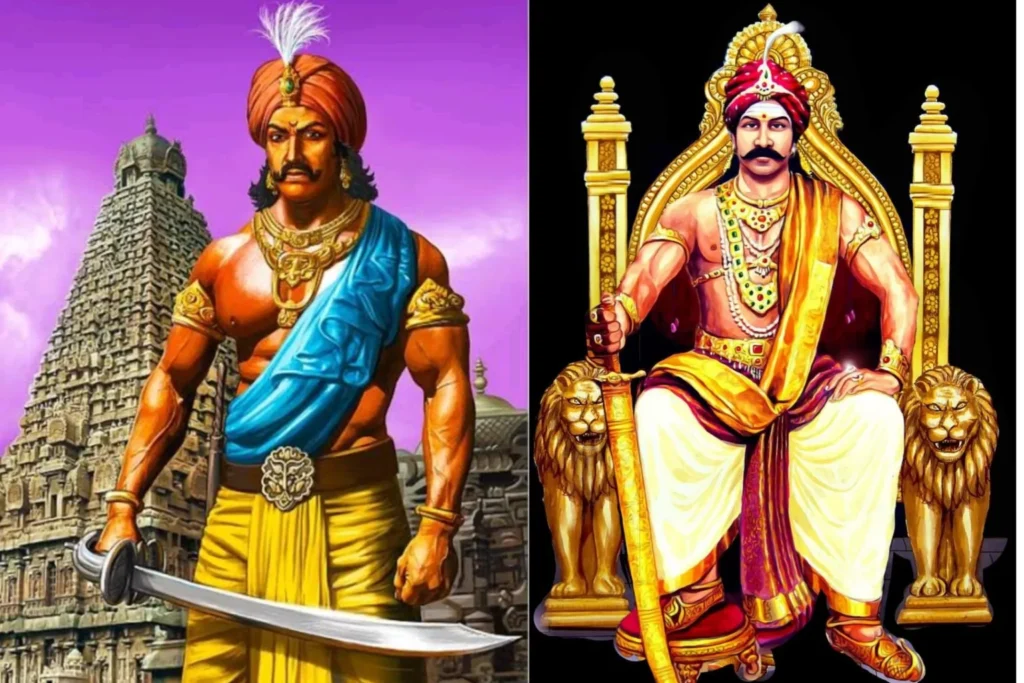
Rajaraja I strengthened shipyards, trained maritime forces, and built ports capable of supporting long range naval operations. His administration introduced systematic control over trade routes in the Bay of Bengal. This phase represents the earliest large scale naval planning in Indian history.
Blue Water Dominance under Rajendra I
Rajendra Chola created one of the most formidable navies in Asia.
Key characteristics:
• Deep sea deployment capacity
• Ability to transport troops across international waters
• Strategic strikes on Southeast Asian kingdoms
• Control of maritime trade routes connecting India, China, and the Malay world
The successful naval expedition against the Srivijaya empire in the eleventh century confirmed the Cholas as a global maritime power. No other Indian kingdom of that era demonstrated comparable naval capability.
Chola Naval Structure and Maritime Administration
Shipbuilding Excellence
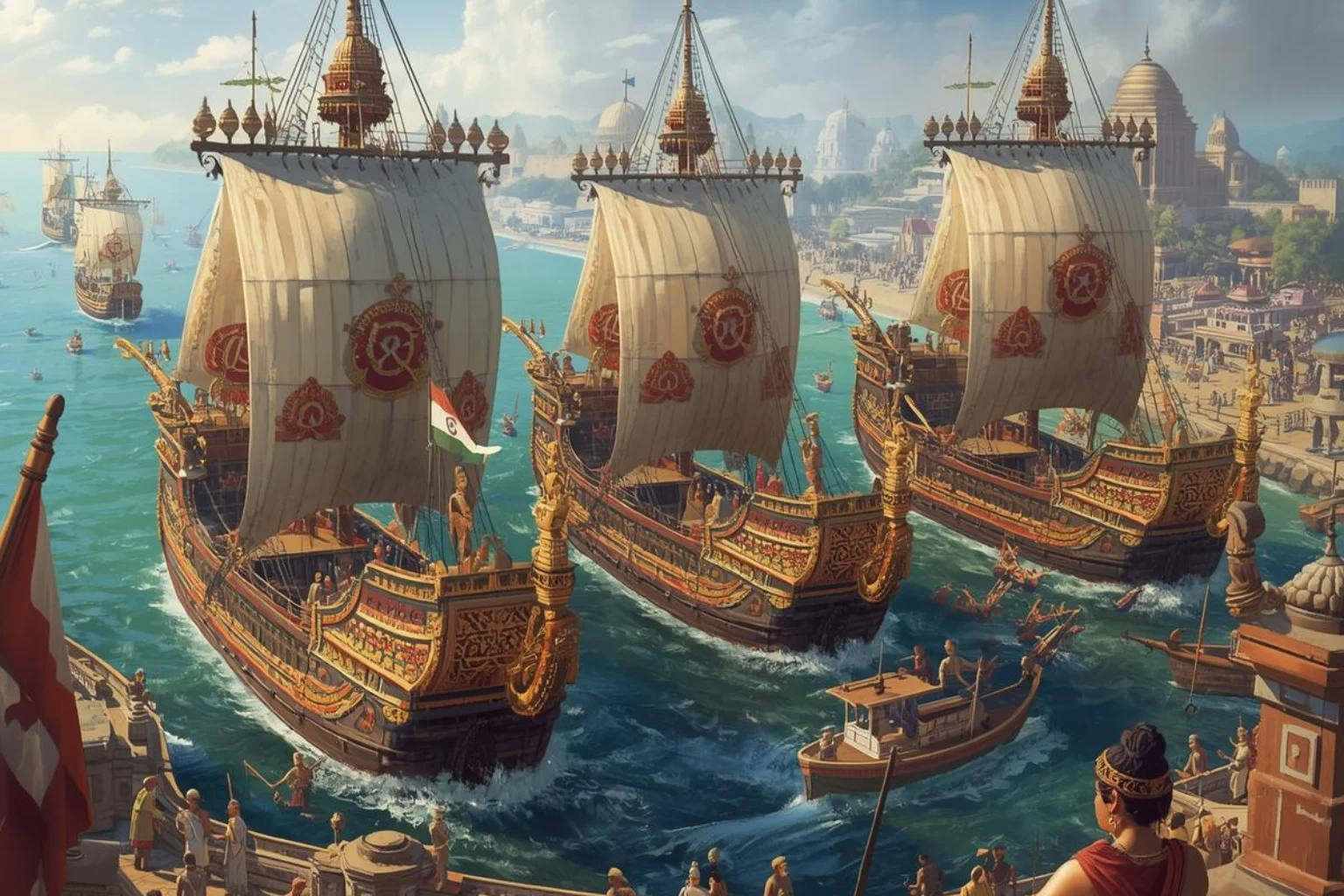
Chola shipyards produced large vessels equipped for combat, transport, and trade. Archaeological and textual evidence describes multideck ships with advanced hull design suitable for oceanic voyages. These vessels were not coastal constructs; they were engineered for long distance navigation.
Port Governance
Ports such as Nagapattinam became global commercial hubs. The Cholas used port trusts, merchant guilds, and maritime courts to regulate international trade. This administrative sophistication positions the Cholas as the earliest architects of naval governance in India.
Integrated Military Strategy
The Chola navy functioned as an extension of imperial military doctrine.
Primary objectives:
• Control of sea lines of communication
• Projection of power across the Indian Ocean
• Protection of merchant fleets
• Strategic engagement with foreign states
Their naval strategy aligns with modern concepts of sea control and blue water dominance.
Why Shivaji Is Not the Father of the Indian Navy
Seventeenth Century Origins
Shivaji’s naval efforts began in the mid seventeenth century, nearly eight hundred years after the Cholas. His navy was developed primarily to counter Portuguese and Siddi forces along the Konkan coast. This system functioned as a regional security mechanism rather than a globally oriented maritime empire.
Coastal Defense Rather Than Long Range Power
Shivaji’s fleets were optimized for:
• Fast movement in shallow waters
• Patrol operations
• Defense of coastal forts
• Protection of local trade
The fleet did not conduct overseas conquests or deep sea campaigns comparable to the Cholas.
Symbolic Modern Attribution
Shivaji is honored as the father of the Indian Navy because modern Indian naval doctrine draws inspiration from his emphasis on indigenous maritime defense. This title is national and symbolic; it does not reflect chronological or structural precedence.
Why the Cholas Should Be Recognized as the True Founders
Earliest Documented Naval Power in India
The Cholas established the first fully organized, professionally managed, and internationally active naval force in Indian history.
Global Maritime Impact
Their expeditions influenced Southeast Asian political structures, reshaped trade networks, and positioned India as a leading maritime power.
Advanced Administrative and Logistical Systems
No other Indian kingdom prior to the modern era demonstrated such organized naval infrastructure. The Cholas combined military, economic, and diplomatic strategies in a maritime context that resembles early forms of naval doctrine.
Historical Accuracy
The designation of the Cholas as the earliest naval architects is supported by inscriptions, foreign chronicles, temple records, and maritime archaeology. Their achievements surpass the timeline and scope of seventeenth century naval efforts.
Conclusion
A critical assessment of India’s maritime heritage reveals a clear fact: the Chola Empire built the first true navy on the Indian subcontinent. Their naval strategies, shipbuilding innovations, and global expeditions set the foundation for India’s early maritime identity. While Shivaji’s contributions remain significant within the context of coastal defense and indigenous maritime revival, they do not represent the origin of India’s naval history.
The Cholas are the true fathers of Indian naval power; their legacy deserves national recognition grounded in historical accuracy, not symbolic attribution.