|
Getting your Trinity Audio player ready... |
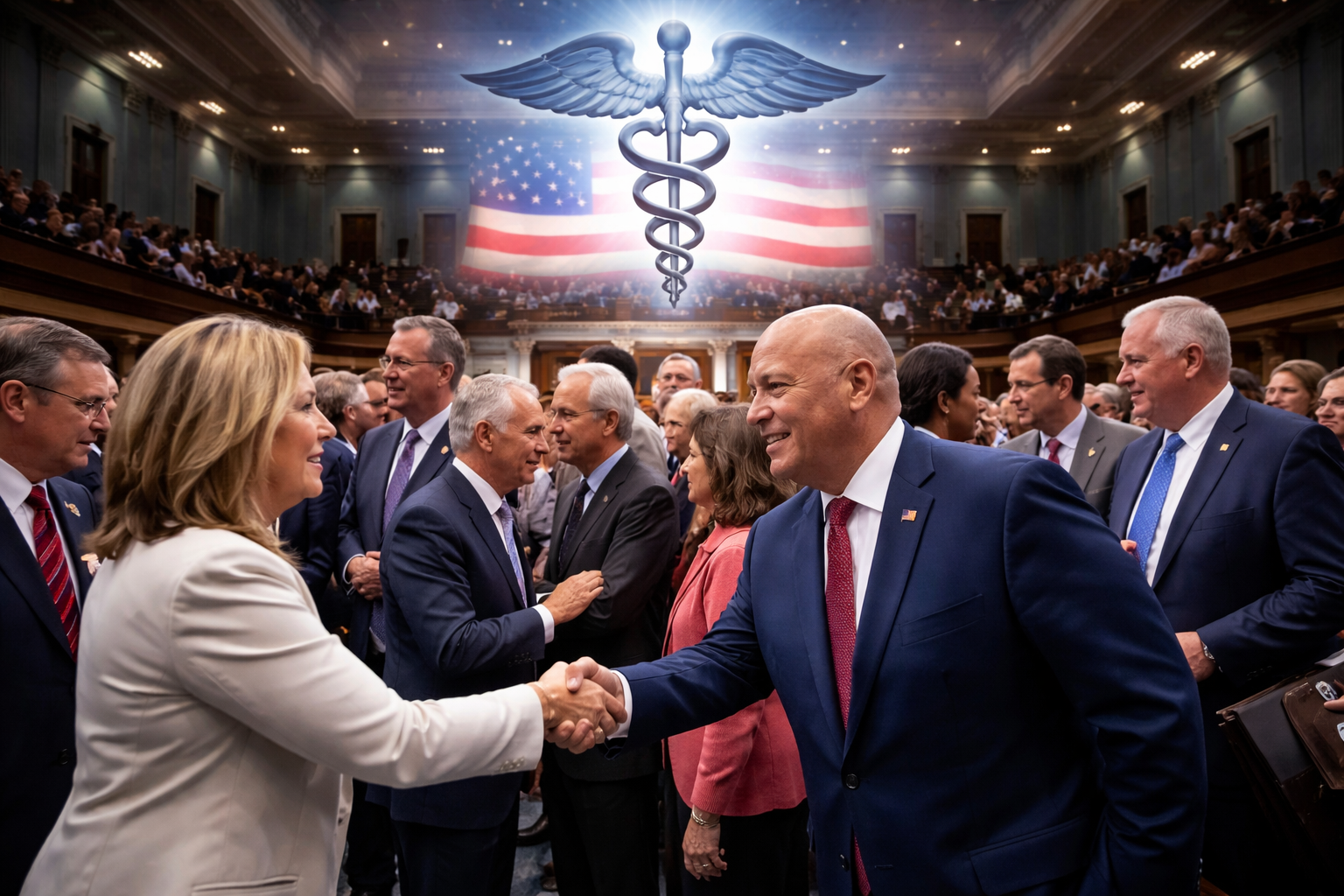
In a surprising display of bipartisan cooperation, 17 House Republicans joined Democrats to pass an extension of COVID-19-era Affordable Care Act subsidies, defying GOP leadership and delivering a significant victory for healthcare access advocates. The vote represents a rare instance of Republican lawmakers supporting provisions of the healthcare law their party has spent years attempting to dismantle.
The subsidies in question were originally expanded under the American Rescue Plan Act of 2021 and extended through the Inflation Reduction Act. These enhanced premium tax credits have made health insurance more affordable for millions of Americans purchasing coverage through ACA marketplaces, particularly middle-income individuals who previously received limited assistance.
Without the extension, approximately three million Americans would have faced significantly higher insurance premiums, with many potentially losing coverage entirely. The Congressional Budget Office estimated that allowing the subsidies to expire would have increased average marketplace premiums by roughly 60 percent for affected individuals.
House Speaker Mike Johnson had urged Republicans to oppose the extension, arguing it represented unnecessary government spending and expansion of a flawed healthcare system. “We should be focusing on market-based reforms that reduce costs rather than perpetuating dependence on government subsidies,” Johnson stated before the vote.
However, 17 Republicans from competitive districts or states with large numbers of ACA marketplace enrollees broke with leadership to support the extension. Many of these members face tight reelection races where healthcare access remains a top voter concern.
Representative Brian Fitzpatrick of Pennsylvania, one of the Republicans voting for the extension, defended his decision. “My constituents depend on these subsidies for affordable healthcare,” Fitzpatrick explained. “I won’t sacrifice their wellbeing for partisan posturing.”
Democrats celebrated the vote as evidence that ACA provisions have become too popular to repeal, even among Republicans. House Minority Leader Hakeem Jeffries characterized the vote as a turning point. “Today, Republicans finally acknowledged what Americans have known for years: the Affordable Care Act works and deserves protection,” Jeffries declared.
Healthcare policy experts view the subsidy extension as critical to maintaining ACA marketplace stability. “These subsidies have dramatically reduced the number of uninsured Americans and made coverage affordable for middle-income families who were previously priced out,” said Dr. Sarah Chen of the Commonwealth Fund.
Conservative critics argue the subsidies represent wasteful spending that benefits insurance companies rather than patients. “We’re subsidizing inflated premiums rather than addressing the underlying cost drivers in our healthcare system,” claimed Brian Blase of the Paragon Health Institute.
The political implications of the vote extend beyond healthcare policy. Republicans who voted for the extension face potential primary challenges from conservative opponents who view any support for ACA provisions as betrayal of party principles. However, these members likely calculated that opposing the subsidies would prove more politically damaging in general elections.
The vote also demonstrates the challenges facing Republican efforts to repeal or significantly modify the ACA. Despite controlling the House and maintaining rhetorical opposition to “Obamacare,” the party has proven unable to unite around comprehensive alternative proposals or sustain support for elimination of popular provisions.
Democrats have seized on the vote as evidence for their messaging that Republicans threaten healthcare access. Campaign advertisements highlighting Republican opposition to healthcare protections figured prominently in recent elections, and Democrats plan to continue emphasizing this theme.
President Trump, who has renewed calls for ACA repeal, has not commented publicly on the subsidy extension vote. The administration faces a difficult balance between satisfying conservative base voters who oppose the ACA and avoiding political backlash from millions of Americans who depend on the law’s provisions.
As the subsidy extension moves to the Senate, where passage appears likely given bipartisan House support, the vote illustrates the complex politics of healthcare policy and the difficulty of unwinding established programs that millions of Americans have come to rely upon.