|
Getting your Trinity Audio player ready... |
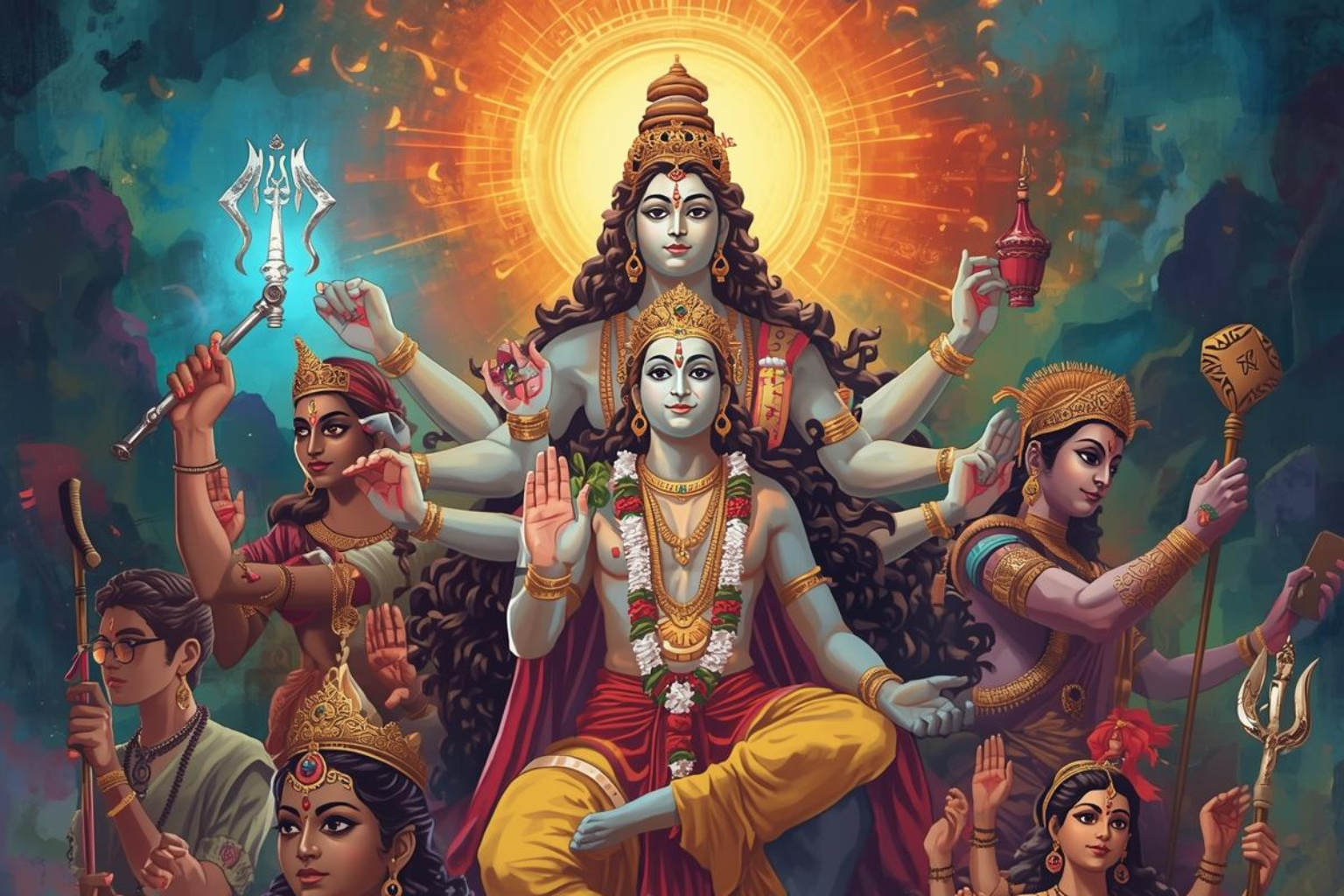
Religion in India occupies a singular position in public and private life. It is not merely a system of belief; it is a framework through which identity, morality, community, and authority are negotiated. To understand religion and Indian society is to examine how faith coexists with caste, politics, economics, and power structures in one of the world’s most diverse nations.
India is the birthplace of Hinduism, Buddhism, Jainism, and Sikhism, while also being home to large populations of Muslims, Christians, Jews, Zoroastrians, and others. For millions, religion functions as a deeply personal source of meaning. Rituals, prayers, pilgrimages, and festivals shape daily routines and life milestones. From birth ceremonies to funeral rites, religious traditions offer continuity and emotional security. In this sense, religion acts as a stabilizing social force, reinforcing shared values such as charity, duty, discipline, and compassion.
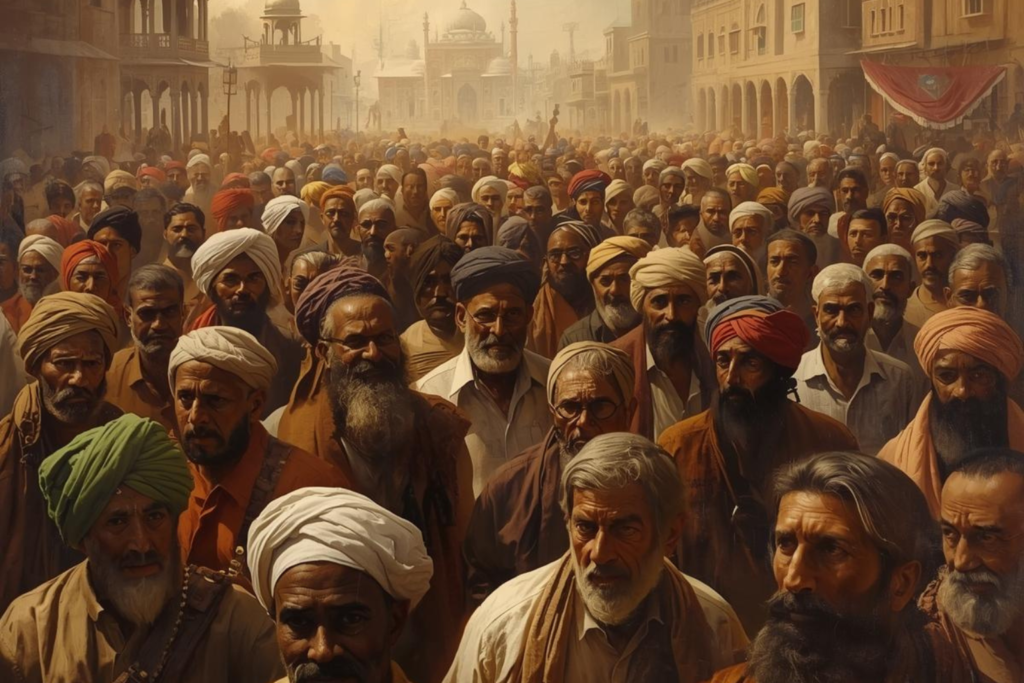
At the same time, religion in Indian society operates as a powerful marker of identity. Religious affiliation often intersects with language, region, caste, and community. These intersections can foster solidarity and cultural preservation, especially among minority groups seeking to protect their traditions. However, identity formation through religion can also sharpen boundaries. When belief systems become rigid identity labels, they risk transforming difference into division. Social cohesion then depends not on shared citizenship but on religious alignment.
Historically, religion has also functioned as a mechanism of social organization. The caste system, though not uniformly practiced or interpreted, drew legitimacy from religious texts and customs for centuries. While modern India constitutionally rejects caste discrimination, its social residue persists. This illustrates how religious interpretations can reinforce hierarchies, often benefiting dominant groups while constraining social mobility for others. Thus, religion may serve both moral guidance and structural control.
The relationship between religion and power becomes more pronounced in the political sphere. Indian democracy is formally secular, yet religion frequently influences electoral behavior, policy framing, and public discourse. Political mobilization along religious lines has proven effective because it appeals to emotion, belonging, and historical grievance. When political narratives align faith with nationalism, religion risks being transformed from a spiritual practice into an instrument of power.
This politicization has tangible consequences. Communal tensions, misinformation, and symbolic conflicts often overshadow substantive governance issues such as employment, education, and healthcare. In such contexts, religion is no longer about belief but about control over public imagination. The question then is not whether religion belongs in society, but how it is deployed and by whom.
Media and digital platforms further complicate this dynamic. Religious narratives now spread rapidly, amplified by algorithms that reward outrage and affirmation. Selective interpretations of scripture or history can be weaponized to justify exclusion or dominance. This digital acceleration intensifies polarization, making it harder to distinguish faith-driven discourse from power-driven propaganda. Religion and Indian society are therefore increasingly shaped by perception management rather than theological debate.
Yet it would be reductive to frame religion solely as a tool of control. Across India, faith-based organizations run schools, hospitals, relief programs, and community kitchens. During crises, religious institutions often provide immediate support where state mechanisms fall short. These actions reflect the ethical core of religious traditions, emphasizing service and social responsibility. Such contributions highlight religion’s capacity to strengthen civil society rather than undermine it.
The future role of religion in India depends on interpretation and intent. When faith encourages introspection, empathy, and coexistence, it enriches social life. When it is simplified into slogans or leveraged for dominance, it erodes democratic pluralism. A mature society must therefore cultivate critical engagement with religion, respecting belief while resisting its misuse.
In conclusion, religion in India cannot be confined to a single function. It is simultaneously faith, identity, and power. The challenge for Indian society lies in ensuring that religion remains a source of ethical guidance and cultural richness, rather than a mechanism of exclusion or control. How India navigates this balance will significantly shape its social stability and democratic future.