|
Getting your Trinity Audio player ready... |
Democracy faces unprecedented challenges as nations worldwide grapple with election integrity concerns, misinformation campaigns, and eroding public trust in democratic institutions. From the United States to Europe and beyond, the foundations of electoral systems are being tested in ways that raise fundamental questions about the future of democratic governance.
The Global Democracy Crisis: A Defining Moment
The world is witnessing a troubling pattern across democratic nations. Election integrity has become a flashpoint issue, with citizens questioning the reliability of electoral processes, media outlets amplifying partisan narratives, and institutional safeguards showing signs of strain. This isn’t isolated to one region it’s a global phenomenon that threatens the democratic experiment itself.
Recent data from international democracy monitors reveals declining confidence in electoral processes across multiple continents. The convergence of technological disruption, political polarization, and institutional fragility has created what experts describe as democracy’s most vulnerable period since the mid-20th century.
American Democracy Under Threat: A Case Study in Democratic Instability
The United States, long considered a beacon of democratic values, exemplifies many challenges facing democracies worldwide. The 2024 US election cycle intensified existing concerns about election security and voter confidence, setting a concerning precedent for the 2028 elections and beyond.
Mail-In Voting and Election Security Debates
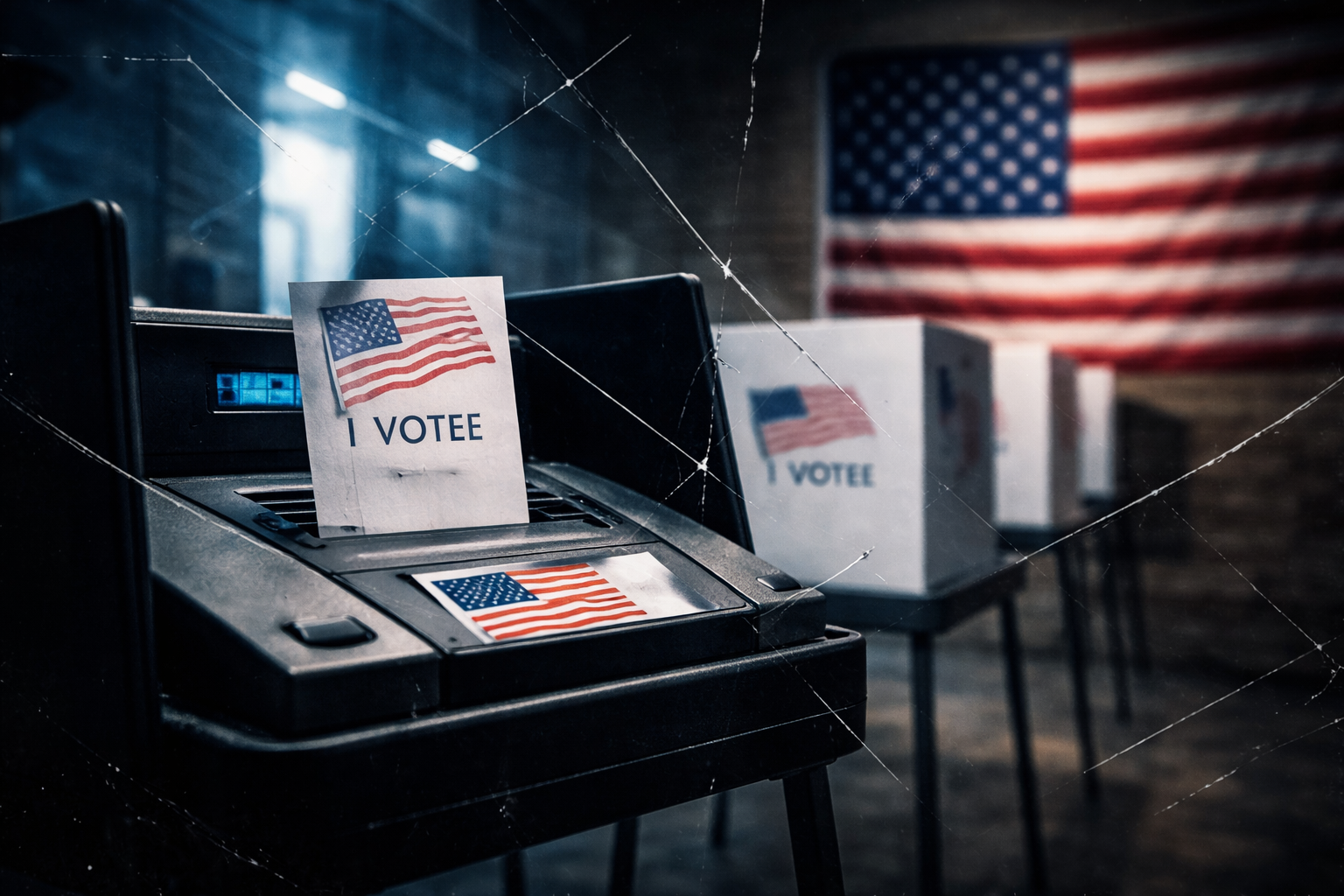
Mail-in voting has become a contentious battleground in American democracy. Supporters argue it increases accessibility and participation, while critics raise concerns about verification processes and potential fraud vulnerabilities. This debate reflects deeper anxieties about election integrity United States citizens feel regarding their electoral system’s security measures.
The controversy extends beyond methodology to fundamental questions about ballot counting transparency, chain-of-custody protocols, and the time required to certify results. These concerns have transformed technical administrative questions into politically charged issues that erode public confidence.
Supreme Court’s Growing Influence on Election Law
The Supreme Court’s role in shaping election law has expanded significantly, with decisions on voting rights, redistricting, and campaign finance reshaping the electoral landscape. Court rulings on voter ID requirements, early voting periods, and ballot access have direct consequences for how Americans participate in democracy.
This judicial influence on electoral processes has intensified partisan tensions, with each decision scrutinized for potential political implications. The Court’s involvement in election-related cases underscores how deeply institutional battles now penetrate democratic processes.
Social Media’s Role in US Political Polarization
American democracy under threat cannot be discussed without examining social media’s transformative impact. Platforms that once promised to democratize information have become echo chambers amplifying division and spreading misinformation at unprecedented scale.
US elections misinformation spreads rapidly through algorithmic amplification, making false claims about voter fraud, candidate positions, and electoral processes reach millions within hours. The 2024 election demonstrated how coordinated disinformation campaigns could influence public perception, creating alternate realities where citizens consume fundamentally different information about identical events.
Social media companies face mounting pressure to balance free speech with content moderation, but their efforts often satisfy neither those demanding stricter controls nor those advocating for minimal intervention. This tension reflects broader societal struggles over truth, authority, and information gatekeeping in the digital age.
How US Democratic Instability Influences Global Democratic Norms
America’s democratic challenges reverberate internationally. When the world’s most powerful democracy experiences election integrity disputes, authoritarian regimes gain rhetorical ammunition. Leaders in nations with questionable electoral practices point to American controversies to deflect criticism of their own systems.
The US democracy crisis affects global democratic norms in several critical ways. International observers who once cited American elections as gold standards now approach them with cautious scrutiny. Emerging democracies looking for models find a more complicated picture than previous generations encountered. And authoritarian governments feel emboldened to restrict democratic practices, arguing that even established democracies struggle with electoral legitimacy.
American democratic instability also impacts foreign policy effectiveness. When the US advocates for democratic reforms abroad, critics question its moral authority given domestic challenges. This weakened position allows autocratic regimes more latitude in suppressing opposition and manipulating elections without facing strong international pressure.
Beyond America: Global Elections Under Strain
The democracy crisis extends far beyond US borders. European nations confront rising populist movements questioning liberal democratic norms. Latin American countries face threats from both authoritarian tendencies and institutional weakness. Asian democracies navigate tensions between democratic aspirations and authoritarian influences.
Common threads connect these diverse challenges. Misinformation campaigns exploit social divisions. Economic anxiety fuels distrust in establishment institutions. Political leaders increasingly challenge electoral outcomes they dislike. And international actors interfere in domestic elections through sophisticated influence operations.
Institutional Challenges and Democratic Resilience
Democratic institutions face pressure from multiple directions. Courts become politicized battlegrounds. Electoral administration officials receive threats for performing basic duties. Legislative bodies struggle with partisan gridlock. And media outlets face accusations of bias from all sides.
Yet democracy has weathered storms before. Throughout history, democratic systems have demonstrated remarkable adaptability when citizens remain committed to democratic principles. The question isn’t whether challenges exist they clearly do but whether democratic societies can marshal the collective will to address them.
The Path Forward: Rebuilding Democratic Trust
Strengthening democracy requires confronting difficult truths. Election integrity concerns deserve serious attention through transparent processes and robust security measures. Misinformation demands coordinated responses that respect free speech while limiting harm. Political polarization needs bridging through renewed civic engagement and mutual understanding.
The global elections crisis presents both danger and opportunity. Nations can learn from each other’s experiences, adopting best practices while avoiding repeated mistakes. International cooperation can counter cross-border threats to electoral integrity. And citizens can demand accountability from leaders who exploit democratic vulnerabilities for partisan gain.
Democracy’s Fragile Moment
Democracy enters a fragile era, but fragility doesn’t mean inevitable failure. The coming years will determine whether democratic systems can adapt to 21st-century challenges or whether authoritarian alternatives gain ground. The stakes couldn’t be higher not just for individual nations, but for the global democratic project itself.
As 2028 approaches and beyond, the world watches whether democracies can restore public confidence, secure electoral processes, combat misinformation, and reaffirm their commitment to foundational democratic values. The answer will shape the political landscape for generations to come