|
Getting your Trinity Audio player ready... |
WASHINGTON – The line between protecting free speech USA and combating misinformation in America has become the most contentious battleground in the nation’s digital landscape, as millions of Americans find themselves divided over where freedom ends and responsibility begins.
The Growing Tension
The freedom of speech debate has reached a fever pitch as social media platforms, government agencies, and citizens clash over how to handle political misinformation without infringing on First Amendment rights. What was once a straightforward constitutional protection has evolved into a complex web of competing interests in the digital age.
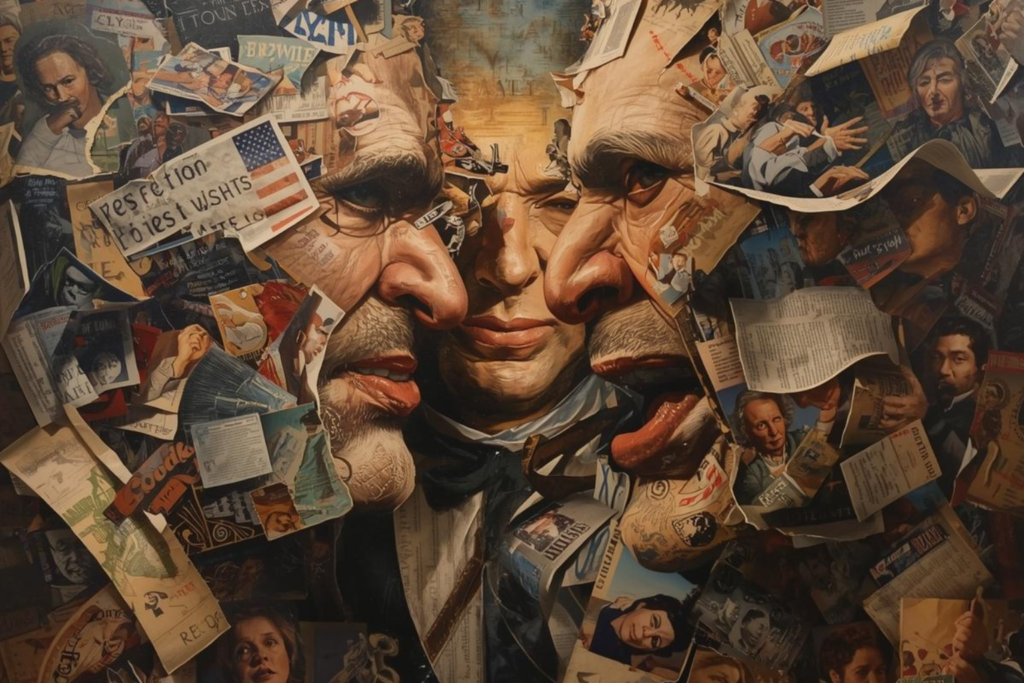
Recent surveys indicate that approximately 64% of Americans believe misinformation on social media poses a significant threat to democracy, yet nearly 55% simultaneously express concerns about online censorship USA limiting legitimate political speech online. This paradox highlights the US digital divide not just in access to technology, but in fundamental beliefs about information, truth, and freedom.
The Platform Dilemma
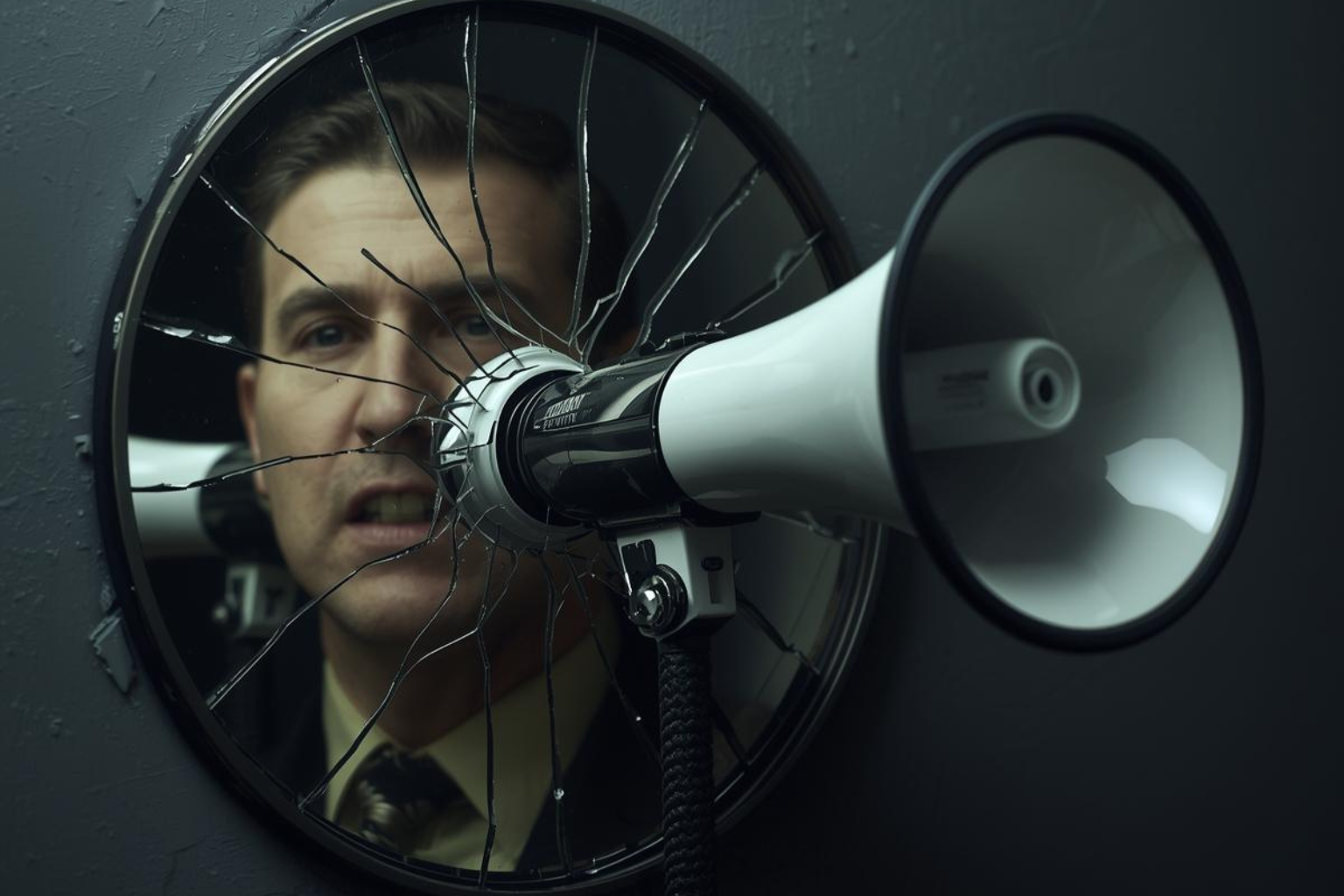
Major social media companies find themselves caught in an impossible position. When they implement content moderation policies to address fake news United States, they face accusations of social media censorship and political bias. When they adopt hands-off approaches, they’re criticized for allowing dangerous misinformation to spread unchecked.
The challenge intensifies during election cycles, where political misinformation can influence voter behavior and democratic outcomes. Platforms must distinguish between protected political speech online even controversial or unpopular opinions and deliberately false information designed to deceive or manipulate.
First Amendment in the Digital Era
Constitutional scholars emphasize that First Amendment rights were designed to protect citizens from government censorship, not to regulate private platform policies. However, when social media companies become the primary public squares for political discourse, the government censorship debate takes on new dimensions.
Critics of content moderation argue that tech companies have become de facto arbiters of truth, wielding unprecedented power over public conversation. Supporters counter that allowing unchecked misinformation in America threatens the informed citizenry necessary for democracy to function.
The Political Polarization
The issue has become deeply partisan, with different political groups holding contrasting views on what constitutes misinformation versus legitimate discourse. This polarization creates a self-reinforcing cycle where trust in institutions media, government, and tech platforms continues to erode, making consensus on solutions increasingly difficult.
Some politicians advocate for government intervention to prevent what they see as biased online censorship USA, while others push for stronger regulations requiring platforms to remove harmful content. Both approaches raise constitutional questions about the proper role of government in regulating speech.
International Comparisons
The United States takes a more speech-protective approach than most democracies. European nations have implemented stricter regulations on fake news United States-style content, while maintaining their commitment to democratic values. These international models offer potential lessons but must be adapted to America’s unique constitutional framework.
The Path Forward
Experts suggest several potential solutions to bridge America’s deepening digital divide on this issue. Media literacy education could help citizens better identify misinformation on social media without requiring censorship. Transparency in platform algorithms and content moderation decisions could rebuild trust. Enhanced research access could help society better understand how information spreads online.
Some propose community-based moderation systems that empower users rather than relying solely on corporate or governmental decisions. Others advocate for technological solutions like improved verification systems and source transparency.
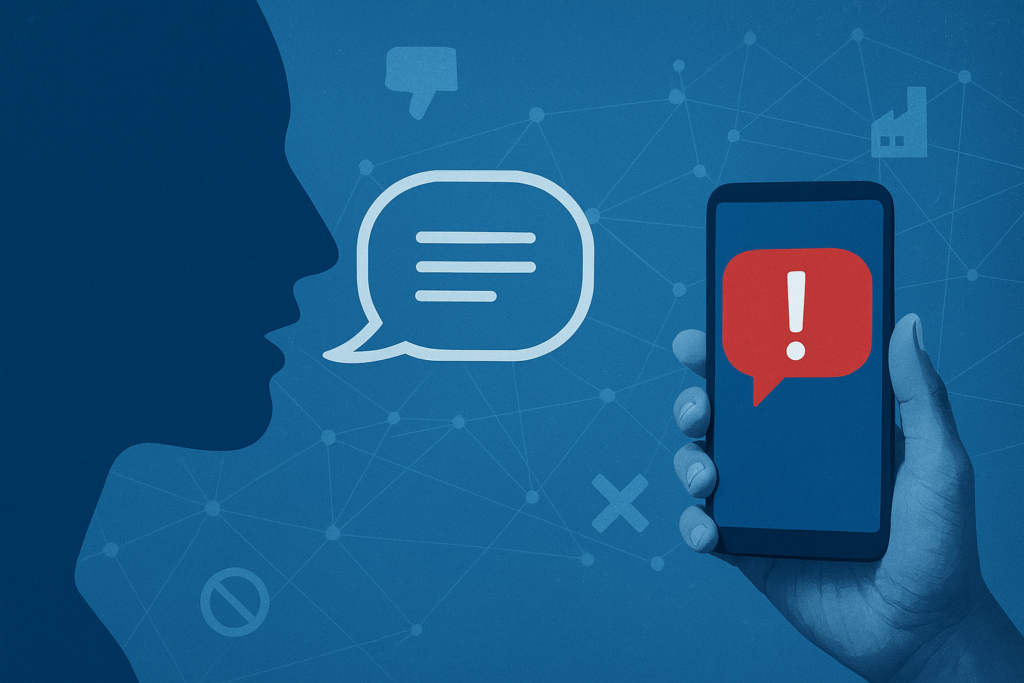
The tension between free speech USA and controlling misinformation in America represents one of the defining challenges of our digital age. As the nation grapples with this issue, finding balance requires acknowledging that both concerns protecting fundamental freedoms and maintaining an informed public are legitimate and crucial to democracy’s survival.
The path forward demands nuanced thinking, good-faith dialogue, and innovative solutions that honor America’s constitutional traditions while addressing 21st-century challenges. Only through sustained engagement across political and ideological divides can the nation hope to bridge this deepening digital divide.