|
Getting your Trinity Audio player ready... |
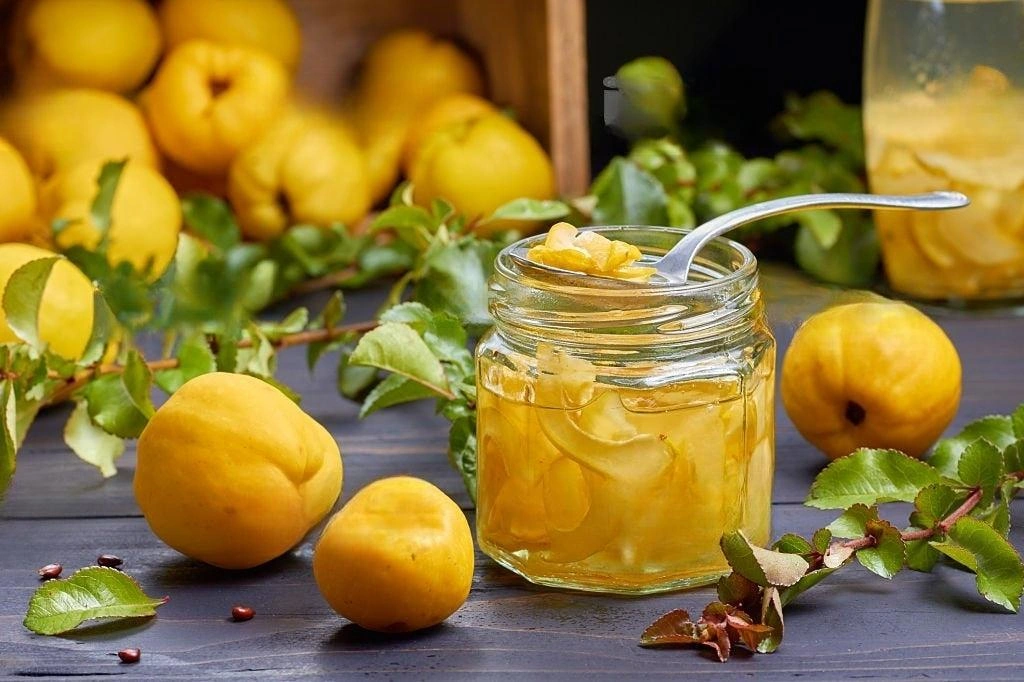
Winter in Pakistan brings with it a craving for warm, comforting, and nourishing foods. Among the many traditional delights prepared during this season, quince murabba holds a special place in our kitchens. Made from bahi (quince), this age-old preserve is not just a sweet treat but also a powerful natural remedy deeply rooted in Unani and desi medicine.
Prepared with patience and care, this murabba is often enjoyed at breakfast or after meals and is valued for both its taste and health benefits.
What Is Quince and Why Is It Special?
Quince, locally known as bahi, is a hard, aromatic fruit that resembles an apple or pear but has a more intense fragrance. It is rarely eaten raw due to its tough texture but transforms beautifully when cooked.
Nutritional Profile of Quince
Bahi is packed with nutrients that make it ideal for murabba preparation:
- Rich in dietary fiber
- High in vitamin C
- Contains antioxidants
- Supports digestion and immunity
When preserved properly, these nutrients remain intact, making the murabba both delicious and beneficial.
Cultural Importance of Bahi Murabba in Pakistan
In Pakistani households, especially in Punjab and Khyber Pakhtunkhwa, murabbas are considered a symbol of hospitality and tradition. Elders often recommend a spoonful of bahi ka murabba daily, especially during cold weather.
It is commonly served:
- With paratha at breakfast
- After heavy meals as a digestive aid
- To newly married couples for strength and vitality
This cultural significance keeps the tradition alive even in modern kitchens.
Health Benefits of Bahi Murabba
Supports Digestive Health
One of the most well-known benefits is its ability to strengthen the digestive system. People suffering from acidity, constipation, or weak digestion often find relief with regular consumption.
Boosts Immunity in Winter
Thanks to its vitamin C content and warming nature, bahi ka murabba helps protect against seasonal flu, cough, and colds, which are common during Pakistani winters.
Helpful for Respiratory Issues
In traditional medicine, quince is believed to soothe the throat and lungs. It is often recommended for people dealing with dry cough or chest discomfort.
Improves General Weakness
Elderly individuals and those recovering from illness are frequently advised to consume murabba to regain energy and stamina.
How Traditional Bahi Murabba Is Made
Selection of Fresh Bahi
Good quality murabba starts with firm, ripe, and blemish-free quince. In Pakistan, bahi is typically available from late autumn to winter.
Cooking Process
The fruit is peeled, sliced, and soaked in water to prevent discoloration. It is then slowly cooked in sugar syrup until the pieces turn translucent and absorb the sweetness evenly.
Flavoring and Preservation
Some families add cloves, cinnamon, or cardamom for aroma, while others prefer the natural fragrance of quince. Proper storage ensures the murabba lasts for months without losing flavor.
Homemade vs Market Murabba
Benefits of Homemade Murabba
Homemade murabba allows complete control over ingredients. There are no artificial colors or preservatives, making it healthier for family consumption.
What to Look for When Buying from the Market
If purchasing from local bazaars or online stores in Pakistan, always check:
- Color (should be natural, not overly bright)
- Syrup consistency
- Clean packaging
- No chemical aftertaste
Trusted herbal stores and traditional vendors usually offer better quality.
Best Way to Consume Bahi Murabba
Moderation is key. While it is beneficial, murabba contains sugar and should be eaten in small quantities.
Recommended usage includes:
- One to two pieces daily
- Preferably in the morning
- Avoid excessive intake for diabetic patients
Consult a healthcare professional if you have specific medical conditions.
Bahi Murabba in Unani and Desi Medicine
In Unani medicine, quince is considered muqawwi-e-qalb (heart strengthening) and muqawwi-e-meda (stomach strengthening). Hakims across Pakistan often prescribe bahi ka murabba for digestive weakness, nervous disorders, and general fatigue.
Its balanced temperament makes it suitable for most age groups when consumed correctly.
Why This Traditional Preserve Still Matters Today
In an age dominated by processed foods and artificial supplements, traditional remedies like murabba remind us of the wisdom of our ancestors. This simple yet powerful preserve combines nutrition, taste, and healing properties in one jar.
Pakistani households that continue making or consuming murabba are not just preserving food, but also culture, health, and tradition.
Final Thoughts
Quince murabba is more than just a sweet preserve; it is a timeless part of Pakistan’s culinary and medicinal heritage. With its rich flavor, numerous health benefits, and cultural significance, it continues to be cherished across generations.
Adding a small portion of this traditional delight to your daily routine can be a simple yet effective way to support overall well-being, especially during the colder months.