|
Getting your Trinity Audio player ready... |
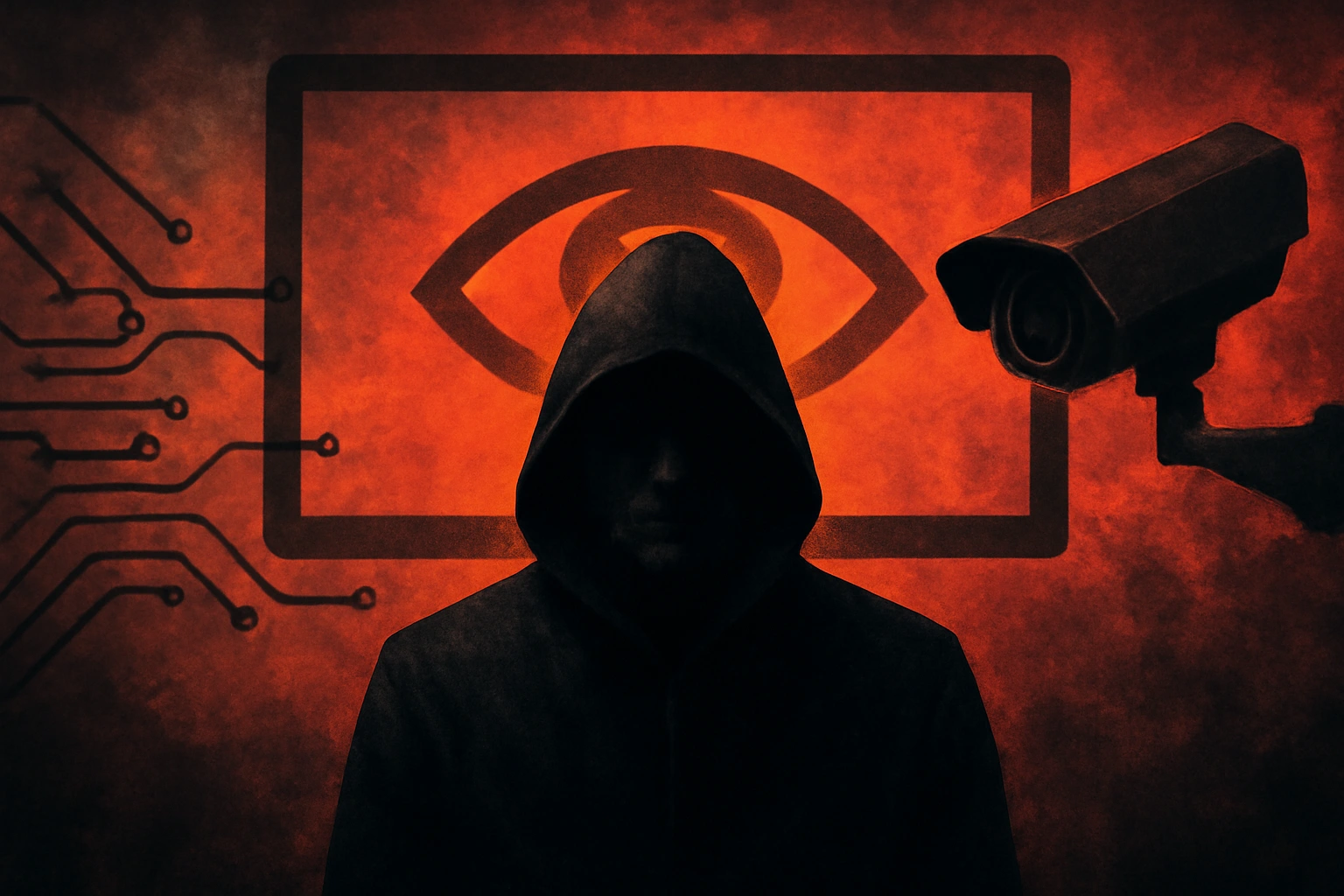
In recent years, the rise of digital surveillance and government control over the internet has sparked serious concerns about the future of online freedom. As the world becomes increasingly reliant on technology, the question arises: Are we heading toward a digital dictatorship? From pervasive government surveillance to the growing influence of corporations in shaping our online behavior, many are beginning to worry that we are on the brink of a totalitarian internet.
The Rise of Digital Authoritarianism
The concept of digital dictatorship has gained significant attention in recent years. Governments and corporations alike have started collecting vast amounts of personal data, often without our consent. This surveillance culture, sometimes referred to as surveillance capitalism, thrives on exploiting personal information for profit. Social media platforms and search engines track every click, keystroke, and movement across the web, building detailed profiles of users to serve targeted ads and manipulate behaviors.
The constant monitoring and data mining create an environment where our every move is observed, leaving us vulnerable to privacy invasions and manipulation. Is this what we want our online experience to become?
ALSO READ – Meta Under Fire: Hidden Research Reveals Social Media’s Dark Side
Government Surveillance: A Growing Threat to Privacy
In many countries, government surveillance is becoming more aggressive. National security agencies justify the increase in monitoring by citing terrorism and crime prevention. However, these measures are often far-reaching and intrusive, extending well beyond their intended purpose. The result is a world where citizens’ internet freedom is severely restricted, and the line between protection and control becomes increasingly blurred.
In some countries, social media platforms are required to hand over data about users, or even censor specific content, under the guise of national security. These actions have far-reaching implications for freedom of speech online, as governments can target political dissent and suppress unpopular opinions.
The Dark Side of Digital Control
One of the most alarming aspects of this new reality is the potential for totalitarian internet systems. Imagine a world where the government controls not only what we say but also what we see online. This would represent a complete erosion of internet freedom. Digital authoritarianism, where governments monitor and manipulate the digital lives of their citizens, is becoming more plausible by the day.
The line between digital control and totalitarianism becomes increasingly difficult to distinguish. In an age where governments and corporations have the power to dictate the flow of information, the idea of an open, free internet may soon be nothing more than a memory.
ALSO READ – USA Introduces New National Data Privacy Bill to Strengthen Consumer Protection
The Impact on Privacy and Personal Freedoms
As governments and tech giants continue to amass data, individual privacy invasion becomes a significant concern. With more than 4.7 billion people online, this wealth of personal data creates the perfect conditions for exploitation. It’s not just about marketing anymore; it’s about controlling narratives and influencing political landscapes.
The surveillance capitalism model thrives in this environment. By using data to predict and influence behaviors, companies can mold our decisions. While most of us willingly trade our personal information for convenience, the reality is that we are opening the door to a world where our choices are no longer our own.
What Can We Do?
To prevent the rise of a digital dictatorship, it’s crucial for individuals to understand the risks of online surveillance and take proactive steps to protect their privacy. Using secure platforms, adopting encrypted communication methods, and demanding transparency from tech companies are just a few ways to safeguard freedom of speech online.
Moreover, governments must be held accountable for their surveillance practices, and citizens need to push for legislation that protects privacy rights. As the digital world grows, so too must our commitment to protecting the values that make the internet a space for freedom and expression.
A Fight for the Future of the Internet
The world is at a crossroads. We are facing a time when the internet could either remain a tool for individual empowerment or become a means for control and oppression. The threat of digital authoritarianism is real, but it’s not too late to change course. By standing up for internet freedom, challenging privacy invasions, and pushing back against government and corporate overreach, we can ensure the internet remains a space where free speech and personal privacy are respected.