

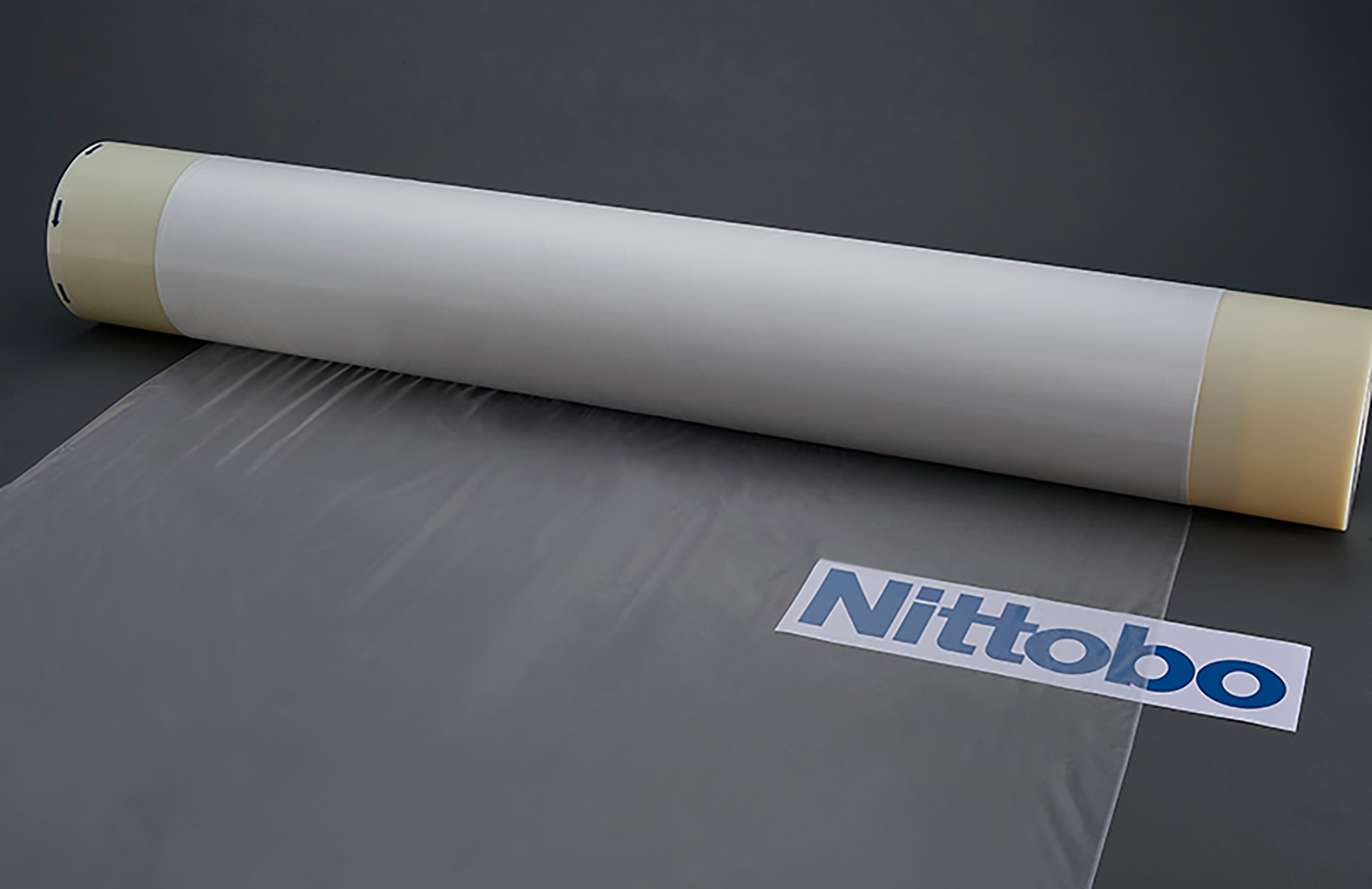

Inside every smartphone and advanced computer chip, there is a thin material that most people never see. It looks like strong plastic wrap, but it plays a vital role. This material is called glass cloth, and right now it’s tough to get.
Glass cloth is used to make chip substrates and printed circuit boards (PCBs). These parts are the foundation of electronic devices such as smartphones, laptops, servers, and AI systems. The most advanced version of this glass cloth is produced almost entirely by one Japanese company, Nitto Boseki, also known as Nittobo.
Apple began using this high-quality glass cloth in its iPhones early on, long before AI chips became popular. For years, supply was stable, and demand was manageable. However, the rapid growth of artificial intelligence (AI) has completely changed the situation.
AI Boom Is Driving Demand Sky-High
Today, companies like Nvidia, Google, Amazon, and AMD need powerful chips for AI servers. These chips require high-performance PCBs made with premium glass cloth. As a result, demand has exploded.
This sudden rush has put pressure on long-time users such as Apple and Qualcomm. Even with their strong buying power, they are now struggling to secure enough supply for future products.
Industry experts describe the shortage of glass fiber and PCB materials as one of the most significant supply chain bottlenecks expected in 2026.
Apple Takes Urgent Action
To protect its future product plans, Apple has taken several steps. Last year, the company sent staff to Japan to work closely with Mitsubishi Gas Chemical (MGC), a supplier of BT substrates. These substrates are used in many chips, including those inside iPhones.
BT substrates depend directly on glass cloth from Nittobo, which means any shortage quickly affects production. Apple even reached out to Japanese government officials for help in securing supplies, according to people familiar with the situation.
This issue is especially critical as Apple prepares for new device launches, including its first foldable iPhone, and expects the smartphone market to recover.
Limited Options for Expansion
While some tech companies have visited Nittobo to push for increased supply, capacity increases have been minimal. Building new production lines for high-end glass cloth is slow and risky. Nittobo’s new capacity is not expected to improve the situation until late 2027, meaningfully.
An industry executive explained that pressure alone cannot create more supply. High-quality glass cloth takes time to manufacture, and mistakes can ruin the final product.
Searching for Alternatives
Apple is also exploring backup options. It has worked with a small Chinese glass fiber company and asked MGC to help improve the supplier’s quality. However, switching materials is not easy. Any new glass cloth must undergo extensive testing and verification to ensure reliability.
Qualcomm is facing similar problems. The mobile chip leader has spoken with another Japanese supplier, Unitika, to see if it could help. Unfortunately, Unitika’s production volume is much smaller than Nittobo’s and cannot meet large-scale demand.
Why This Glass Cloth Matters So Much
The material everyone wants is low-CTE glass, also known as T-glass. It is prized for its stability under heat, its shape retention, and its support for high-speed data transfer. These features are essential for AI processors and premium smartphone chips.
Making T-glass is extremely difficult. Each glass fiber is thinner than a human hair and must be perfectly round, smooth, and free from defects. Even minor flaws can cause major chip failures later. Because this glass is buried deep inside devices, it cannot be repaired once installed.
Due to these risks, major tech companies are unwilling to experiment with lower-quality materials.
Other Supply Chain Pressures Are Growing
Glass cloth is not the only material under pressure. The AI boom has already disrupted the memory chip market, pushing companies to compete for DRAM and NAND flash for 2026 production.
Other shortages are appearing in PCB manufacturing tools, such as drill bits and laser drilling machines. AI server boards are thicker and more challenging to process, which means tools wear out faster and must be replaced more often.
Many of the best suppliers in these niche areas are Japanese companies that prioritize quality over rapid expansion. After past boom-and-bust cycles, many suppliers are cautious about adding capacity too quickly.
Quality Over Quantity
Nittobo has made it clear that it will not sacrifice quality to increase output. The company’s leadership believes that becoming a mass producer of lower-grade materials would hurt its long-term position, even if it means losing some market share.
Experts agree that while tech companies are testing alternatives and new suppliers, progress will be slow. Quality remains the top priority, especially for premium chips.
What This Means for the Industry
If even large players like Apple and Qualcomm are feeling the pressure, smaller electronics makers could face even greater challenges. AI-focused companies often have greater purchasing power, leaving consumer electronics brands with fewer options.
As a result, supply constraints in materials like glass cloth could limit how fast new devices and AI systems reach the market in 2026.

