|
Getting your Trinity Audio player ready... |
Introduction
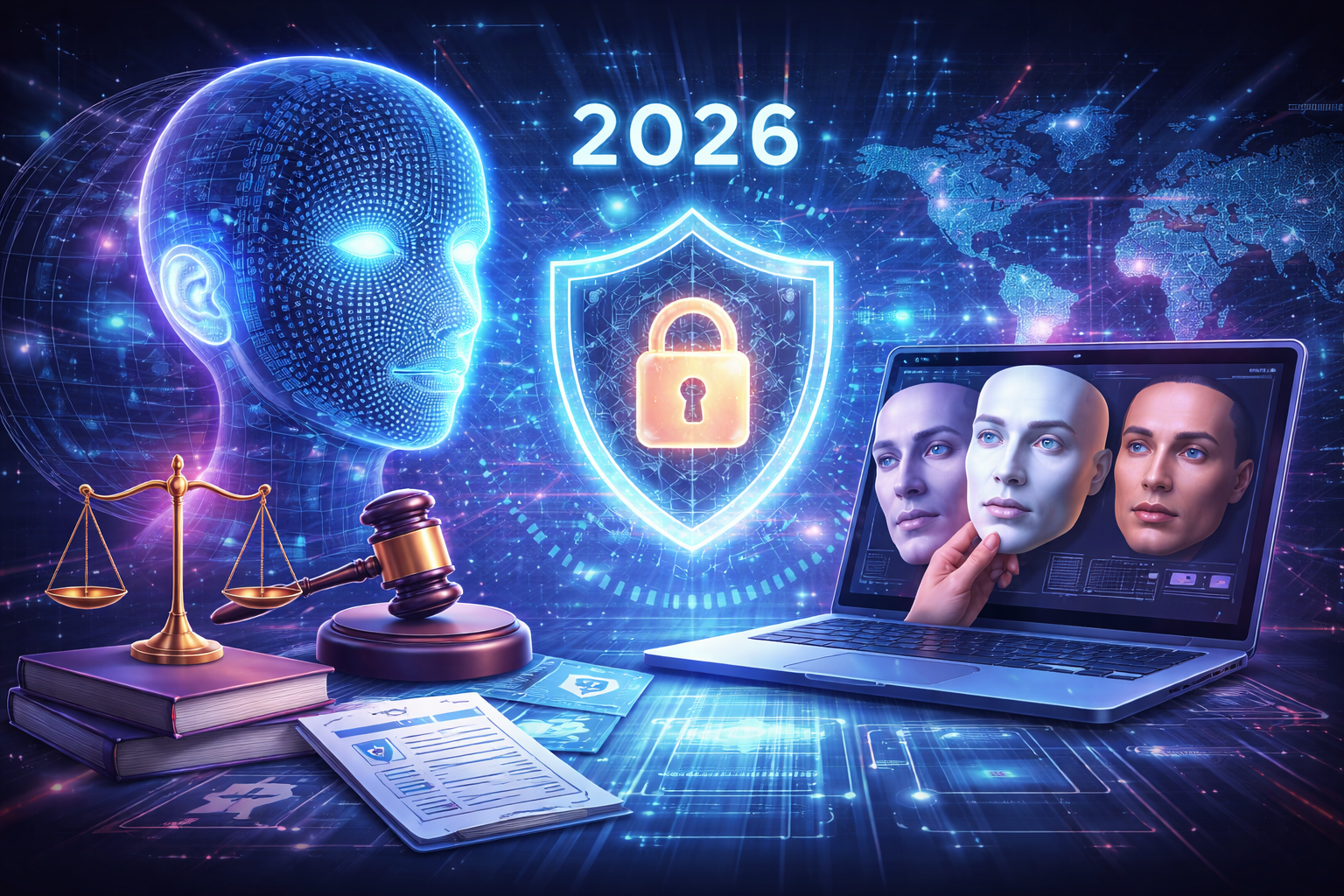
Artificial Intelligence is no longer an experimental technology it is shaping elections, economies, healthcare, media, and global security. As AI-generated content becomes indistinguishable from human-created material, governments worldwide are accelerating efforts to regulate its use. By 2026, AI rules, AI watermarking, and deepfake regulations will move from discussion to enforcement.
This article explores how AI laws and policies in 2026 will evolve, how AI watermarks will work, and how governments plan to control deepfakes while balancing innovation, ethics, and creator rights.
The Global Push for AI Regulation in 2026
By 2026, AI regulation will no longer be fragmented or voluntary. Governments are converging toward enforceable frameworks focused on transparency, accountability, and safety.
Key drivers behind stricter AI laws include:
- The rapid spread of AI-generated misinformation
- Political and election-related deepfakes
- Lack of accountability for AI-generated harm
- Ethical concerns around bias, privacy, and manipulation
Major economies are aligning AI governance with risk-based models, categorizing AI systems based on potential societal impact.
What AI Laws Will Focus On
- Mandatory disclosure of AI-generated content
- Transparency in training data and model behavior
- Liability for misuse of generative AI
- Restrictions on high-risk AI applications
AI Watermarking: How It Will Work in 2026
One of the most impactful regulatory tools in 2026 will be AI watermarking a method of embedding invisible identifiers into AI-generated content.
How AI Watermarks Will Work
AI watermarks will be:
- Invisible to humans, but detectable by platforms and regulators
- Embedded at the model level (text, images, audio, video)
- Resistant to editing, cropping, or compression
- Verifiable using standardized detection tools
Watermarking will apply to:
- AI-generated text
- Synthetic images and videos
- Voice clones and audio content
This will enable platforms, governments, and media organizations to instantly verify content authenticity.
Will AI-Generated Content Be Watermarked?
By 2026, the answer is yes by default for most commercial and enterprise AI systems.
Expected requirements include:
- Mandatory watermarking for public-facing AI tools
- Clear labeling of AI-generated content
- Disclosure when AI is used in political, medical, or financial contexts
Failure to comply could result in:
- Platform bans
- Regulatory penalties
- Legal liability for publishers and creators
Deepfakes: Why Governments Are Stepping In
Deepfakes pose a direct threat to:
- Democratic processes
- National security
- Public trust in digital media
By 2026, deepfake regulations and laws will explicitly target malicious synthetic media, especially in political and news contexts.
How Governments Will Control Deepfakes
Regulatory strategies include:
- Criminalizing malicious deepfake creation
- Requiring platforms to remove verified deepfakes quickly
- Mandating AI watermark detection systems
- Heavy penalties for election-related misinformation
Some governments will also require real-time detection tools for media platforms and broadcasters.
Stopping Political Deepfakes With AI Rules
Political deepfakes are among the highest-risk AI use cases. In response, AI rules in 2026 will introduce:
- Strict bans on undisclosed AI-generated political content
- Mandatory provenance tracking for campaign media
- AI safety audits for political ad platforms
This marks a shift from reactive moderation to preventive AI governance.
AI Ethics and Governance: Balancing Control and Innovation
While regulation is tightening, policymakers are also focused on preserving innovation.
Core Principles of AI Ethics in 2026
- Transparency: Users must know when AI is involved
- Accountability: Clear ownership of AI outputs
- Fairness: Mitigating bias and discrimination
- Safety: Preventing misuse and systemic harm
AI governance frameworks will require organizations to document:
- Training data sources
- Risk assessments
- Human oversight mechanisms
Impact of AI Watermarks on Creators and Businesses
AI watermarking will significantly reshape the creator economy.
Positive Impacts
- Increased trust in authentic content
- Protection against content theft
- Clear attribution for AI-assisted work
Challenges
- Reduced anonymity for creators
- Compliance costs for smaller businesses
- Potential overreach in enforcement
Creators and brands will need to adapt workflows to ensure transparency without sacrificing creativity.
The Future of AI Laws and Policy
By 2026, AI regulation will become a standard operational requirement, not a compliance afterthought.
Organizations using AI must prepare for:
- Ongoing audits
- Cross-border regulatory alignment
- Increased scrutiny of AI-generated content
The future of AI policy will prioritize content authenticity, public trust, and responsible innovation.
Conclusion
AI rules, watermarking, and deepfake regulations will define the digital landscape of 2026. Governments are no longer asking if AI should be regulated but how fast they can enforce safeguards. AI watermarking will become the backbone of content authenticity, while deepfake laws aim to protect democracy and trust.
For businesses, creators, and platforms, proactive compliance with AI laws and governance frameworks will be essential to thrive in the next phase of AI evolution.