|
Getting your Trinity Audio player ready... |
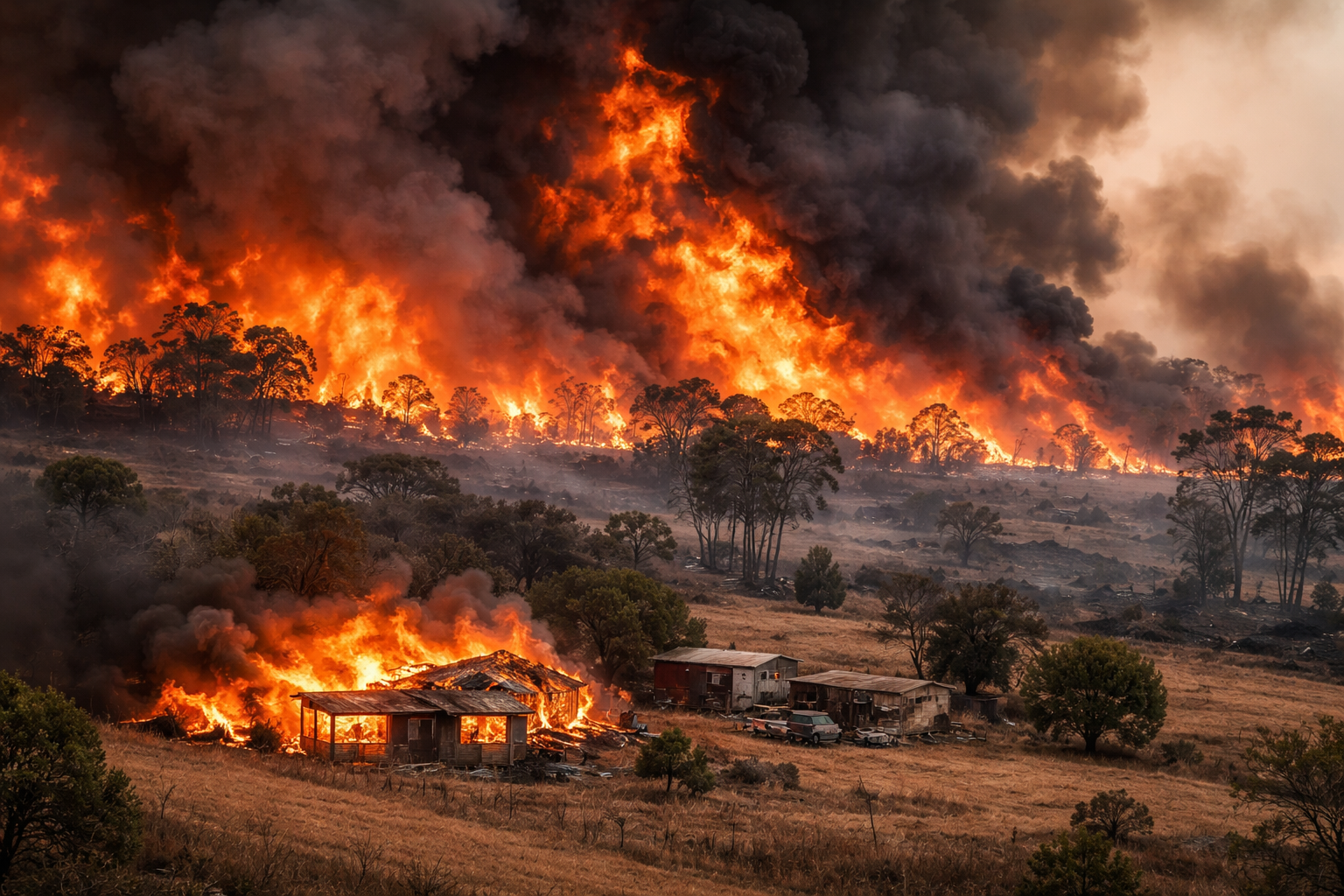
Victoria is battling a catastrophic bushfire crisis that has already destroyed more than 100 buildings and consumed 300,000 hectares of land, with fire authorities warning the disaster may continue for weeks. The ongoing emergency has prompted mass evacuations and raised urgent questions about Australia’s preparedness for increasingly severe fire seasons driven by climate change.
Multiple major fire fronts continue burning across Victoria, stretching firefighting resources to their limits. Thousands of firefighters, including interstate reinforcements and international assistance teams, are working around the clock to contain blazes that have proven resistant to suppression efforts due to extreme weather conditions.
Victoria Emergency Management Commissioner Rick Nugent delivered a sobering assessment during a press briefing. “We are facing an unprecedented situation with multiple large fires burning simultaneously under dangerous conditions,” Nugent stated. “Communities need to understand this emergency will not be resolved quickly.”
The fires have devastated both rural communities and threatened major population centers. Entire townships have been evacuated, with thousands of residents seeking shelter in emergency relief centers. Agricultural losses are mounting, with livestock deaths and destroyed farmland creating long-term economic impacts for regional communities.
Weather conditions have consistently worked against firefighting efforts. Sustained high temperatures, low humidity, and strong winds have created extreme fire danger ratings across much of Victoria. Climate scientists note these conditions are becoming more frequent and severe due to anthropogenic climate change.
Air quality has reached hazardous levels in Melbourne and surrounding areas, forcing school closures and prompting health warnings for vulnerable populations. Hospital emergency departments have reported increased presentations for respiratory issues related to smoke exposure.
Victoria Premier Jacinta Allan has declared a state of emergency, granting authorities expanded powers to order evacuations, close roads, and redirect resources. The state government has committed hundreds of millions of dollars to emergency response and recovery efforts, though the final cost will likely exceed initial estimates.
Personal stories of loss and heroism have emerged as communities confront the fires. Volunteer firefighters have worked exhausting shifts protecting properties, while ordinary citizens have opened their homes to evacuees and displaced animals. However, the crisis has also claimed lives, with several deaths attributed to the fires or related incidents.
Indigenous fire management experts have renewed calls for incorporating traditional burning practices into mainstream fire prevention strategies. “Our ancestors managed this land with fire for thousands of years,” said Gunaikurnai elder Uncle Russell Moore. “Modern Australia needs to learn from that wisdom.”
The bushfire crisis has reignited political debates about climate policy and disaster preparedness. Environmental advocates argue that Australia’s continued reliance on fossil fuels and inadequate emission reduction targets have contributed to worsening fire conditions. Government officials defend their policies while acknowledging the need for enhanced emergency response capabilities.
Insurance industry analysts project billions of dollars in claims from the fires, raising concerns about future insurance availability and affordability in fire-prone regions. Some insurers have already announced they will not renew policies in certain high-risk areas, creating potential insurance availability crises.
International attention has focused on Australia’s bushfire crisis, with offers of assistance arriving from multiple countries. The United States, Canada, and New Zealand have sent firefighting personnel and equipment, demonstrating the global nature of wildfire challenges facing multiple nations.
As Victoria endures this prolonged emergency, the fires serve as a stark reminder of Australia’s vulnerability to catastrophic bushfires and the urgent need for comprehensive strategies addressing both immediate response capabilities and long-term climate adaptation.