|
Getting your Trinity Audio player ready... |
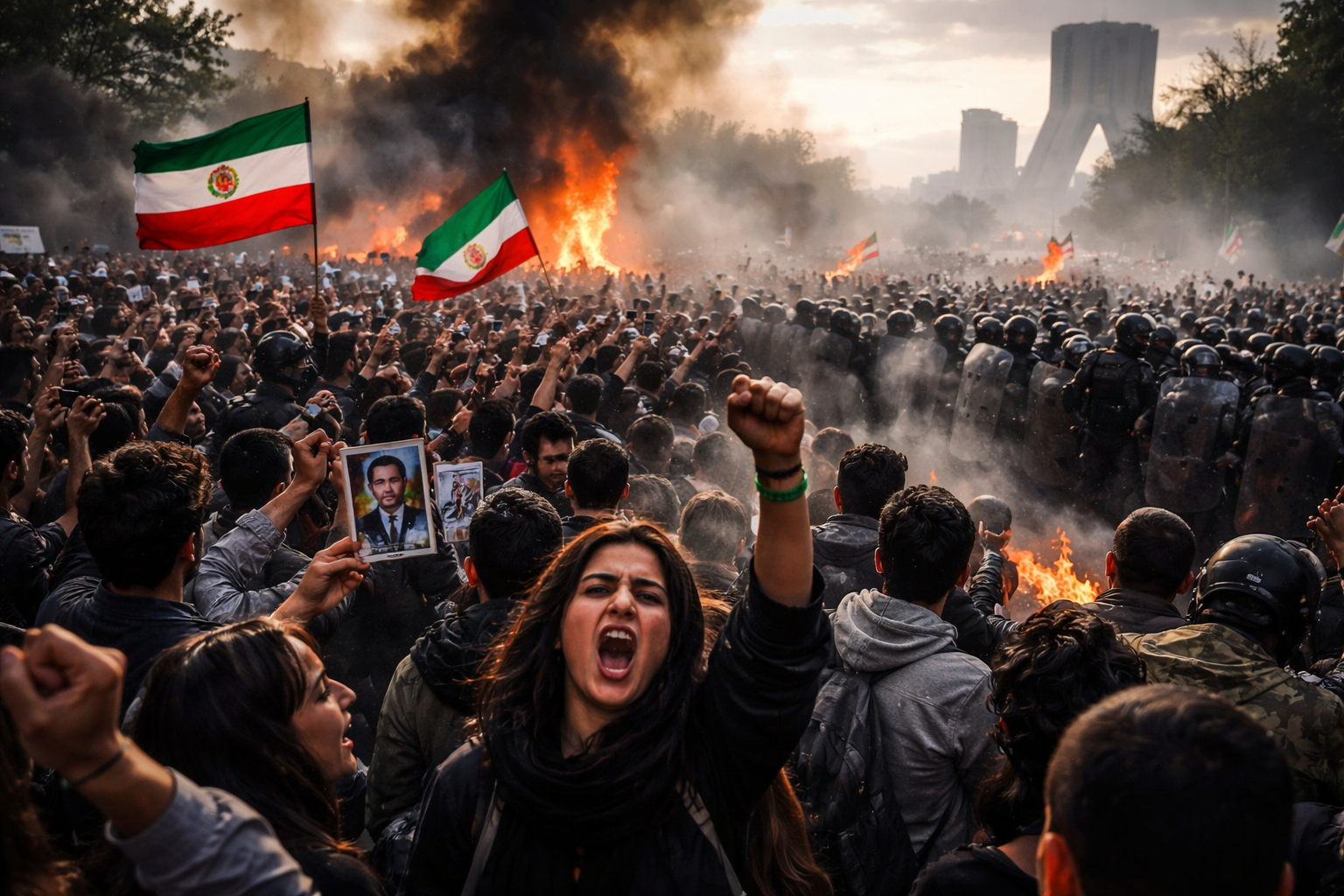
Iran’s streets have erupted in widespread unrest as protesters challenge the regime’s iron grip, triggering a nationwide internet blackout and threats of severe crackdowns. Demonstrations, sparked by economic woes and political repression, have drawn tens of thousands to major cities like Tehran and Isfahan. Security forces deployed tear gas and live ammunition, leading to dozens of reported casualties and hundreds of arrests. International observers decry the move as a desperate bid to silence dissent ahead of potential leadership transitions.
The government’s decision to sever internet access mirrors tactics used in past uprisings, aiming to prevent viral footage from spreading globally. Activists report blocked social media platforms and throttled communications, forcing reliance on VPNs and satellite links for updates. Human rights groups like Amnesty International have called for urgent UN intervention, highlighting videos of brutal police tactics circulating despite restrictions.
President Donald Trump’s administration issued stern warnings, linking the violence to broader Middle East instability. US officials urged allies to impose sanctions, while European leaders pushed for dialogue. Domestically, hardliners rally behind Supreme Leader Khamenei, framing protests as foreign-orchestrated plots. Economic fallout worsens, with currency devaluation fueling inflation and shortages.
Analysts predict escalation unless concessions emerge, drawing parallels to the 2022 Mahsa Amini protests. Satellite imagery reveals mass gatherings in over 50 cities, underscoring the movement’s scale. Global media coverage amplifies calls for accountability, pressuring Tehran amid oil market jitters. As night falls, tensions simmer, with fears of a bloody crackdown looming large.