|
Getting your Trinity Audio player ready... |
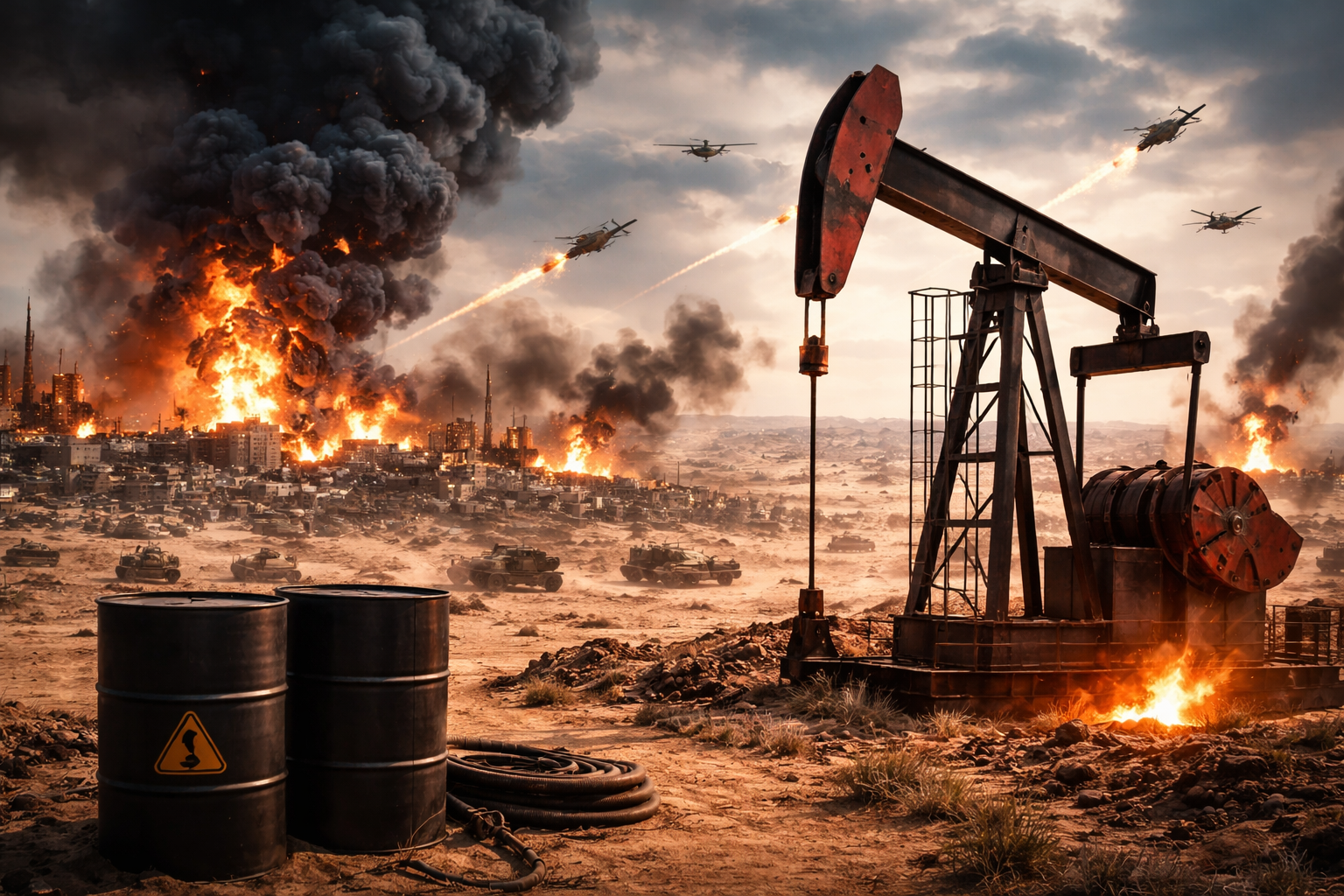
Escalating tensions across the Middle East are sending shockwaves through global energy markets in early 2026, as renewed conflicts and diplomatic standoffs threaten the stability of the world’s most critical oil-producing region. Crude oil prices have surged above $95 per barrel, raising concerns about inflation and economic growth as nations scramble to secure energy supplies.
The current crisis stems from multiple overlapping conflicts that have intensified in recent weeks. Regional powers are engaged in proxy confrontations across several theaters, while longstanding territorial disputes have reignited. Maritime security in critical shipping lanes, including the Strait of Hormuz through which approximately 21 million barrels of oil pass daily has become increasingly precarious. Insurance rates for tankers transiting these waters have tripled, adding significant costs to global energy supply chains.
International diplomatic efforts have thus far failed to de-escalate tensions. The United Nations Security Council remains deadlocked, with permanent members holding divergent interests in the region. The United States has reinforced its military presence while pursuing shuttle diplomacy to prevent wider conflict. European nations, heavily dependent on Middle Eastern energy imports, are pressing for negotiated settlements while exploring alternative supply arrangements.
The economic ramifications extend well beyond energy markets. Global stock markets have experienced increased volatility as investors assess geopolitical risks. Airlines are adjusting routes to avoid conflict zones, increasing operational costs and flight times. Tourism to the region has plummeted, devastating economies that depend heavily on visitor spending. Currency markets reflect uncertainty, with safe-haven assets like gold and the Swiss franc gaining value.
Energy-importing nations are particularly vulnerable. Countries across Asia, which rely heavily on Middle Eastern crude oil, are activating strategic petroleum reserves and accelerating diplomatic efforts to secure supply guarantees. Japan, South Korea, and India have dispatched high-level delegations to Gulf capitals, seeking assurances about continued energy exports. China is leveraging its extensive economic relationships in the region to maintain access to resources critical for its manufacturing economy.
The crisis has accelerated discussions about energy transition and security. European leaders are emphasizing that renewable energy development is not merely an environmental imperative but a strategic necessity to reduce dependence on volatile regions. Investment in solar, wind, and nuclear power is receiving renewed political support, with several nations announcing expedited approval processes for clean energy projects.
Within the Middle East itself, humanitarian concerns are mounting. Civilian populations face displacement, food insecurity, and limited access to essential services. International aid organizations report that funding for humanitarian operations remains critically insufficient, with donor nations distracted by competing priorities. Refugee flows are increasing pressure on neighboring countries already hosting millions of displaced persons from previous conflicts.
Regional actors emphasize that sustainable peace requires addressing underlying grievances, including economic marginalization, political representation, and resource allocation. However, mistrust between parties runs deep, and decades of conflict have created entrenched positions that resist compromise. International observers warn that without genuine commitment to dialogue and concrete confidence-building measures, the region faces the prospect of prolonged instability with devastating consequences for local populations and global prosperity.