|
Getting your Trinity Audio player ready... |
The push toward sustainable living has never been more urgent or accessible. As we navigate through 2026, Americans are discovering that an eco friendly lifestyle doesn’t require drastic sacrifices it simply demands intentional choices. Whether you’re exploring how to live sustainably in the US or searching for zero waste living strategies, this guide offers practical steps to transform your household into an environmental ally.
Understanding Sustainable Living in Modern America
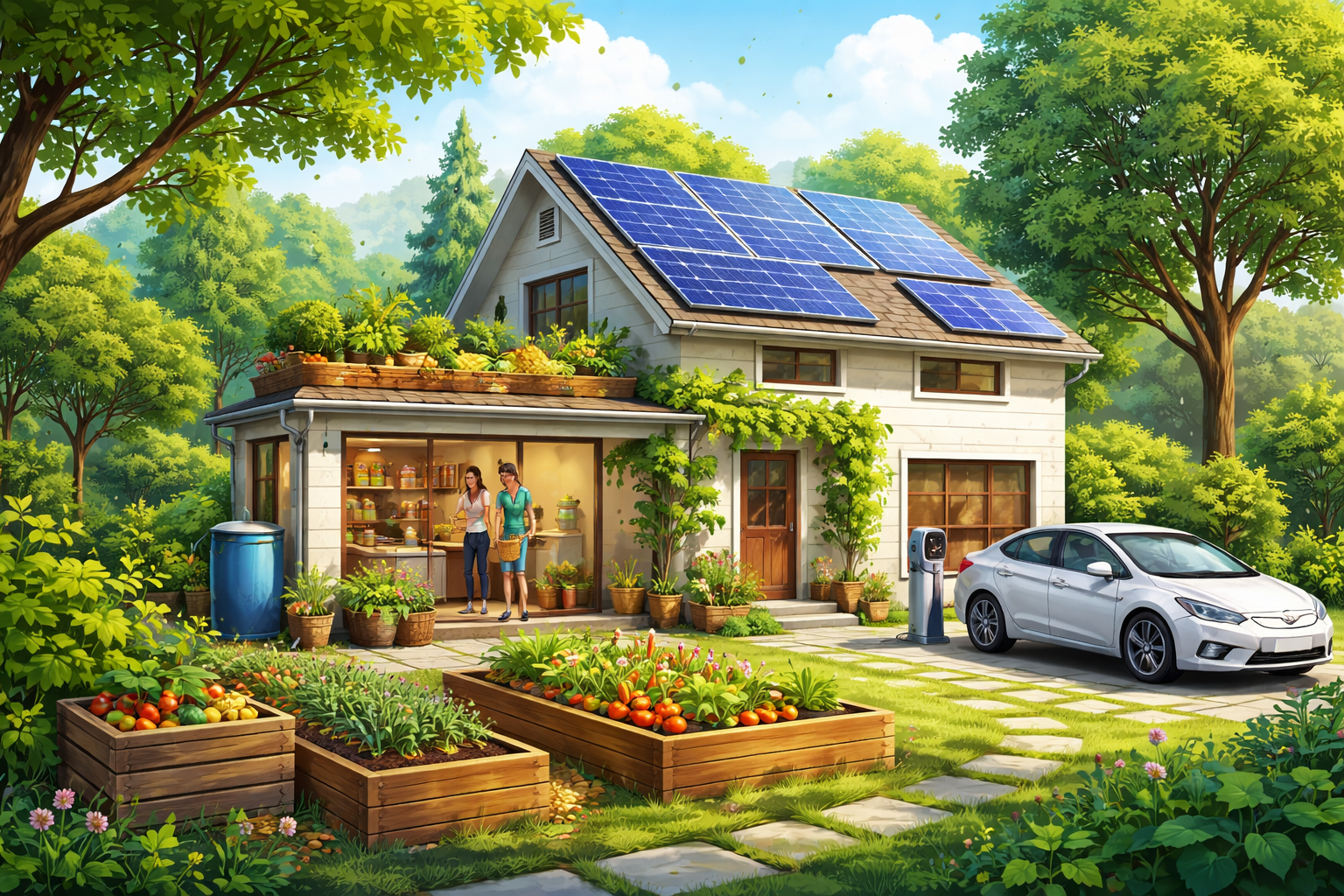
Sustainable living means making choices that reduce your environmental footprint while maintaining quality of life. It’s about consuming responsibly, minimizing waste, and supporting systems that protect our planet for future generations. The beauty of green homes USA is witnessing lies in their diversity from solar-powered suburbs to apartment dwellers composting on balconies, sustainability adapts to every lifestyle.
The transition to an eco friendly lifestyle starts with awareness. Every product we purchase, every utility we consume, and every item we discard creates an environmental impact. By understanding these connections, we can make smarter decisions that benefit both our wallets and the world around us.
Getting Started with Zero Waste Living for Beginners
Zero waste living for beginners can feel overwhelming, but the philosophy is simple: refuse what you don’t need, reduce what you do need, reuse what you consume, recycle what you cannot refuse or reduce, and rot (compost) the rest. This framework, known as the five Rs, provides a roadmap for anyone wondering how to live sustainably in the US.
Start small. You don’t need to overhaul your entire life overnight. Begin by identifying your biggest waste sources. For most households, these include single-use plastics, food waste, and disposable packaging. Target one area at a time, build new habits, and watch your trash bin shrink month by month.
The zero waste lifestyle for beginners thrives on progress, not perfection. Some waste is unavoidable in our current systems, and that’s okay. What matters is the cumulative effect of millions of people making slightly better choices every day.
Eco Friendly Home Tips That Make a Real Difference
Energy Efficiency Upgrades
Your home’s energy consumption represents one of the largest opportunities for sustainable impact. LED bulbs use 75% less energy than traditional incandescent lights and last 25 times longer. Smart thermostats learn your schedule and optimize heating and cooling, reducing energy waste by up to 20%.
Consider conducting a home energy audit to identify where your house loses efficiency. Simple fixes like weatherstripping doors, adding insulation, or upgrading to Energy Star appliances can dramatically reduce your carbon footprint while lowering utility bills.
Water Conservation Strategies
Water scarcity affects regions across America, making conservation critical. Low-flow showerheads and faucet aerators maintain water pressure while cutting usage by half. Fix leaky toilets and pipes promptly a single dripping faucet wastes over 3,000 gallons annually.
Collect rainwater for outdoor irrigation, and consider native landscaping that requires minimal watering. These eco friendly home ideas 2026 homeowners are embracing not only conserve resources but also create resilient properties adapted to local climates.
Sustainable Products for Every Room
Kitchen: Replace paper towels with reusable cloth alternatives, swap plastic wrap for beeswax wraps, and invest in quality food storage containers that eliminate single-use bags.
Bathroom: Choose bamboo toothbrushes, bar shampoos and soaps that eliminate plastic bottles, and reusable cotton rounds instead of disposable makeup removers.
Cleaning: Make your own cleaning solutions from vinegar, baking soda, and castile soap, or purchase concentrated refillable products that reduce packaging waste.
Building Green Homes USA Residents Can Be Proud Of
The concept of green homes USA families are creating extends beyond products to encompass design philosophy. Maximize natural light to reduce electric lighting needs. Choose furniture and decor made from reclaimed or sustainably harvested materials. When renovating, salvage and repurpose existing materials rather than sending them to landfills.
Indoor air quality matters for both health and sustainability. Houseplants naturally filter air while adding beauty. Choose low-VOC paints, finishes, and furnishings that don’t off-gas harmful chemicals. Proper ventilation reduces the need for energy-intensive air purification systems.
The Role of Sustainable Products in Your Journey
Not all sustainable products deliver equal value. Greenwashing when companies falsely market items as environmentally friendly remains rampant. Look for legitimate certifications like USDA Organic, Fair Trade, Energy Star, or B Corporation status. Research brands before purchasing, and prioritize companies with transparent supply chains and genuine environmental commitments.
Quality trumps quantity in sustainable living. One well-made item that lasts a decade beats ten cheap replacements destined for landfills. This mindset shift from disposable to durable represents the core of an eco friendly lifestyle.
Community and Systemic Change
Individual action matters, but sustainable living extends beyond your home’s walls. Support local farmers’ markets and businesses that prioritize environmental stewardship. Vote for policies and politicians who address climate change. Join community gardens, tool libraries, and repair cafes that build resilience while reducing consumption.
Share your journey on social media, with friends, and within your community. Normalized sustainable living inspires others and creates cultural momentum toward environmental responsibility.
Conclusion
Sustainable living in 2026 offers more tools, resources, and community support than ever before. From zero waste living strategies to comprehensive eco friendly home tips, the path to reduced environmental impact is clearer and more accessible today. Start where you are, use what you have, and do what you can. Every reusable bag, every composted vegetable scrap, and every conscious purchase decision contributes to a healthier planet. The eco friendly lifestyle you build today creates the world your children will inherit tomorrow.
Frequently Asked Questions
What is the easiest way to start sustainable living?
Begin by auditing your waste. Spend one week observing what you throw away, then identify simple swaps—reusable water bottles instead of disposable ones, cloth shopping bags instead of plastic, and composting food scraps. Small, consistent changes create lasting habits.
How much money does sustainable living save?
Most sustainable practices reduce expenses over time. Energy-efficient appliances lower utility bills, reusable products eliminate repeat purchases, and buying less overall saves significantly. Initial investments in quality items pay dividends through durability and reduced waste.
Can apartment dwellers practice zero waste living?
Absolutely. Zero waste living adapts to any living situation. Apartment residents can compost with worm bins or municipal programs, shop package-free at bulk stores, choose secondhand furniture, and advocate for building-wide recycling and sustainability initiatives.
What are the best sustainable products for beginners?
Start with high-impact, easy-to-adopt items: reusable shopping bags, stainless steel water bottles, cloth produce bags, rechargeable batteries, and beeswax food wraps. These foundational swaps eliminate significant waste with minimal effort.
How do I maintain an eco friendly lifestyle on a budget?
Focus on reducing consumption rather than buying green products. Borrow, repair, and buy secondhand whenever possible. Make your own cleaning products from inexpensive ingredients. Choose experiences over things, and remember that the most sustainable item is often the one you already own.