
Growing evidence suggests the convenience of modern eating comes at a steep health cost
December 14, 2025 The packaged snacks in your pantry and ready-to-eat meals in your freezer may be convenient, but mounting research reveals they’re fueling a worldwide health crisis. Ultra-processed foods are now firmly linked to surging rates of obesity, diabetes, heart disease, and other chronic conditions across the globe.
The Hidden Dangers in Your Shopping Cart
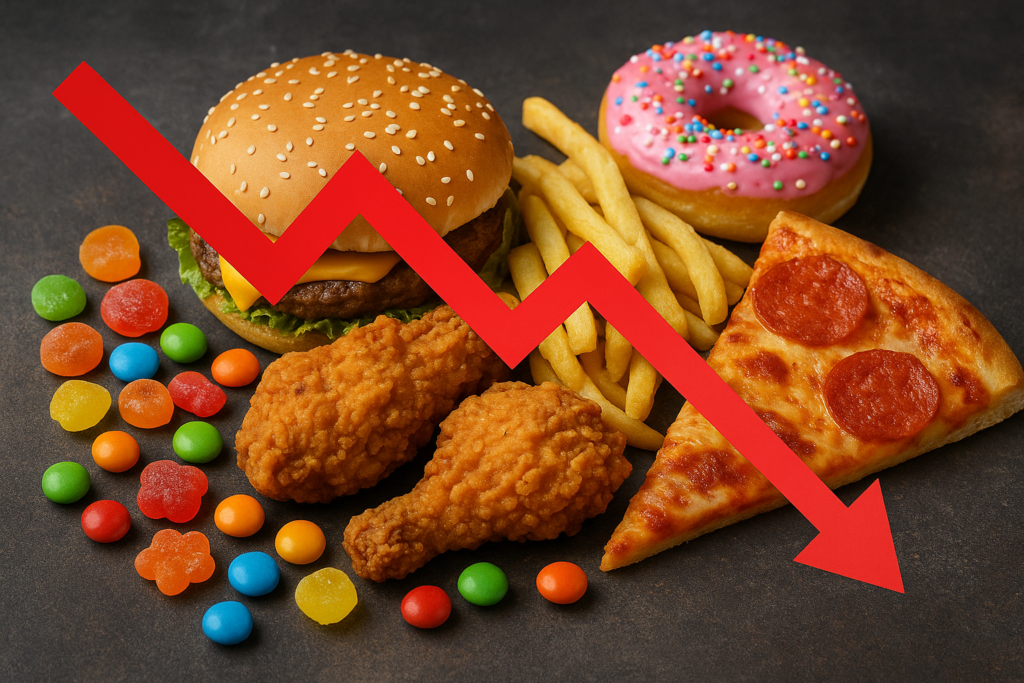
Ultra processed foods health risks extend far beyond simple weight gain. These industrially manufactured products ranging from sodas and packaged breads to frozen dinners and breakfast cereals undergo extensive processing and typically contain additives, preservatives, and ingredients rarely found in home kitchens.
Health experts are sounding alarms as these convenient food options dominate modern diets. Research shows that ultra-processed foods now account for more than half of daily caloric intake in countries like the United States and United Kingdom, while rapidly gaining ground in developing nations.
Understanding Processed Food Dangers
What makes these foods particularly harmful? Scientists point to several concerning factors. Ultra-processed products are engineered for maximum palatability, making them hyperpalatable and easy to overconsume. They’re typically high in added sugars, unhealthy fats, and sodium while lacking essential nutrients and fiber.
“These foods are designed to override our natural satiety signals,” explains nutrition researcher Dr. Sarah Martinez. “They’re formulated to keep us eating beyond our body’s actual needs.”
The health consequences are staggering. Studies consistently link high consumption of ultra-processed foods to increased risks of cardiovascular disease, type 2 diabetes, certain cancers, depression, and premature death. One large-scale study found that for every 10 percent increase in ultra-processed food consumption, there was a 12 percent higher risk of cardiovascular disease.
Obesity Global Crisis Intensifies
The obesity global crisis has reached unprecedented levels, with ultra-processed foods identified as a primary driver. According to recent data, worldwide obesity rates have nearly tripled since 1975. Today, more than 650 million adults are classified as obese, while an additional 1.9 billion are overweight.
The crisis isn’t limited to wealthy nations. Middle and low-income countries are experiencing the fastest increases in obesity rates as Western dietary patterns and ultra-processed foods penetrate their markets. This shift is creating a devastating “double burden” where malnutrition and obesity coexist within the same populations.
Children face particular vulnerability. Pediatric obesity rates have climbed dramatically, with one in five children and adolescents now classified as overweight or obese. Early exposure to ultra-processed foods establishes taste preferences and eating patterns that can persist throughout life.
Diet Related Diseases on the Rise
Diet related diseases now represent the leading cause of death and disability worldwide. Beyond obesity, poor nutrition contributes to heart disease, stroke, diabetes, and various cancers conditions that collectively claim millions of lives annually and cost healthcare systems hundreds of billions of dollars.
The metabolic disruption caused by ultra-processed foods extends to gut health, inflammation, and even mental wellbeing. Emerging research suggests these foods may alter gut microbiome composition, triggering systemic inflammation that contributes to chronic disease development.
WHO Food Warning and Global Response
Health authorities worldwide are taking action. The WHO food warning systems increasingly identify ultra-processed foods as major threats to public health. Several countries have implemented front-of-package warning labels, restricting marketing to children, and taxation policies targeting unhealthy processed products.
Chile, Mexico, and Uruguay have pioneered comprehensive policies including mandatory warning labels on products high in sugar, sodium, or saturated fat. Early evidence suggests these measures are influencing both consumer behavior and food industry reformulation efforts.
Taking Control of Your Diet
Experts recommend prioritizing whole, minimally processed foods fresh fruits and vegetables, whole grains, legumes, nuts, and unprocessed proteins. Reading ingredient labels carefully and cooking more meals at home can dramatically reduce ultra-processed food consumption.
“The solution isn’t perfection,” notes nutritionist Dr. James Chen. “It’s about making ultra-processed foods the exception rather than the rule in your daily diet.”
As research continues unveiling the true cost of convenience, the message becomes increasingly clear: our modern food system requires urgent transformation to protect current and future generations from preventable chronic diseases.
For more information on healthy eating guidelines, consult with a registered dietitian or visit your national health authority’s nutrition resources.