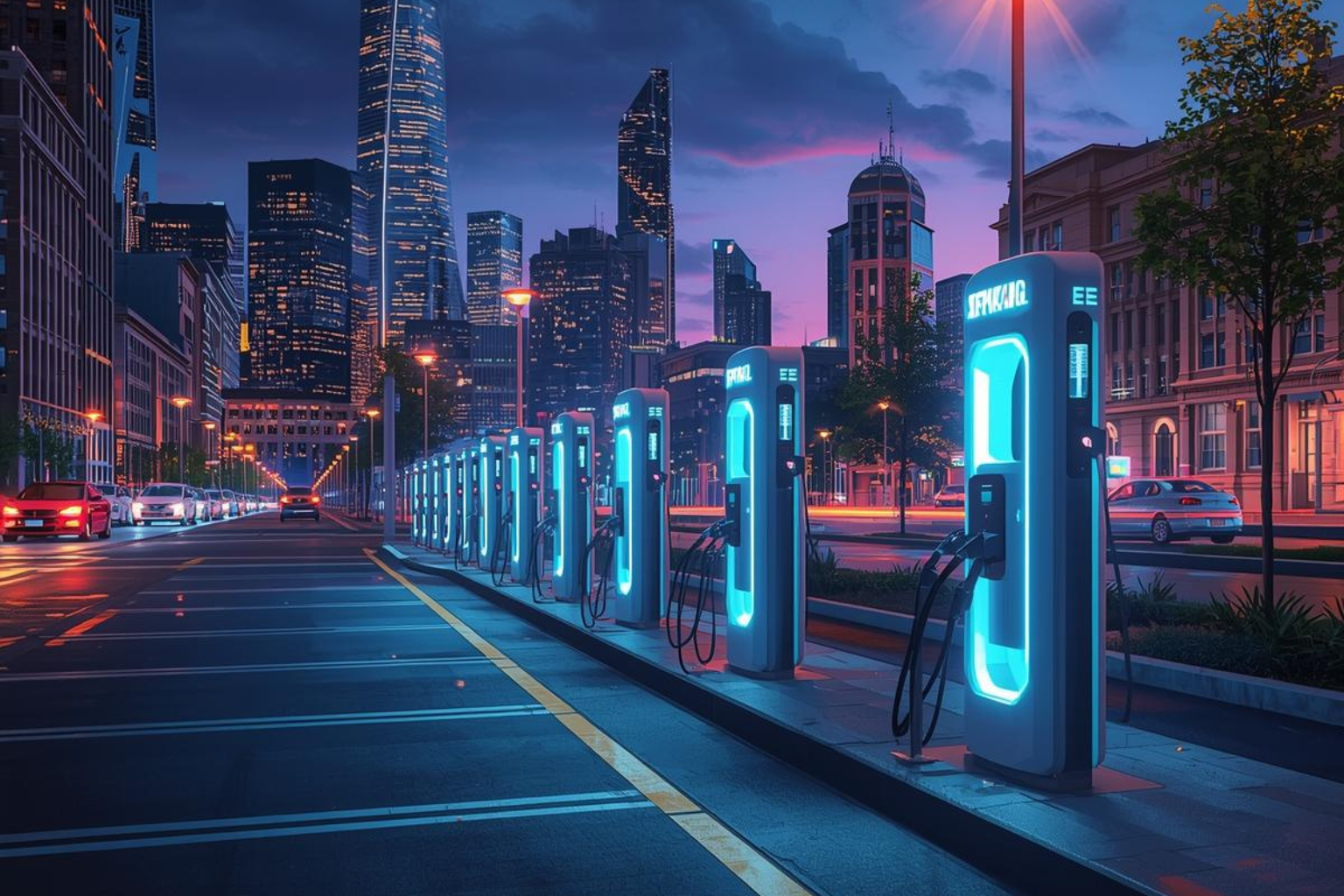
Washington: The United States government has approved a new round of funding to accelerate the expansion of the national electric vehicle charging network. The initiative aims to support rapid EV adoption, reduce transportation emissions, and strengthen the country’s long term clean energy strategy. Federal officials said the investment will target high demand corridors, underserved communities, and commercial logistics hubs.
The Department of Energy confirmed that billions in federal grants will be distributed to states for installing fast charging stations along major highways and urban centers. The plan also includes support for rural charging accessibility, an area that continues to lag behind national EV adoption trends. Officials emphasized that the infrastructure upgrade is essential for improving charging reliability and reducing range anxiety for U.S. drivers.
According to the announcement, the funding prioritizes high speed DC fast chargers capable of supporting the latest generation of electric vehicles. Federal agencies are working with utility companies to manage grid integration and avoid regional overload. The government also plans to coordinate with private charging networks to improve coverage across commercial properties, retail locations, and fleet operations.
Transportation analysts said the expansion could accelerate the shift away from gasoline powered vehicles. The availability of nationwide fast charging is considered a key factor in consumer decision making, especially for long distance travelers. Several automakers have welcomed the initiative, noting that an expanded charging network will support upcoming EV models scheduled for the U.S. market.
State agencies will be required to submit detailed deployment plans, including site assessments, power load calculations, and public accessibility requirements. Officials confirmed that the federal government will monitor project progress through quarterly reporting and on site evaluations. The initiative also includes workforce development programs to train technicians in charger installation and maintenance.
The U.S. transportation sector remains one of the largest contributors to national emissions. Federal agencies stated that strengthening EV infrastructure is necessary for meeting long term environmental targets and reducing oil dependency. Industry experts added that the expansion may stimulate economic activity across construction, energy management, and technology services.
Utility providers are preparing for increased electricity demand as charging stations are deployed across high traffic zones. Grid operators have been instructed to incorporate load balancing technologies and renewable energy integration strategies. Analysts noted that battery storage systems may be added to certain sites to stabilize local grid performance.
Early market reaction has been positive. EV stocks and charging network companies recorded modest gains following the announcement, reflecting expectations of increased revenue from infrastructure contracts. Federal officials said more funding rounds may be introduced depending on adoption trends and state readiness.
The Department of Energy will release detailed guidelines for grant applications in the coming weeks. States are expected to begin initial deployments before the next quarter as the United States moves toward a more modernized electric transportation ecosystem.