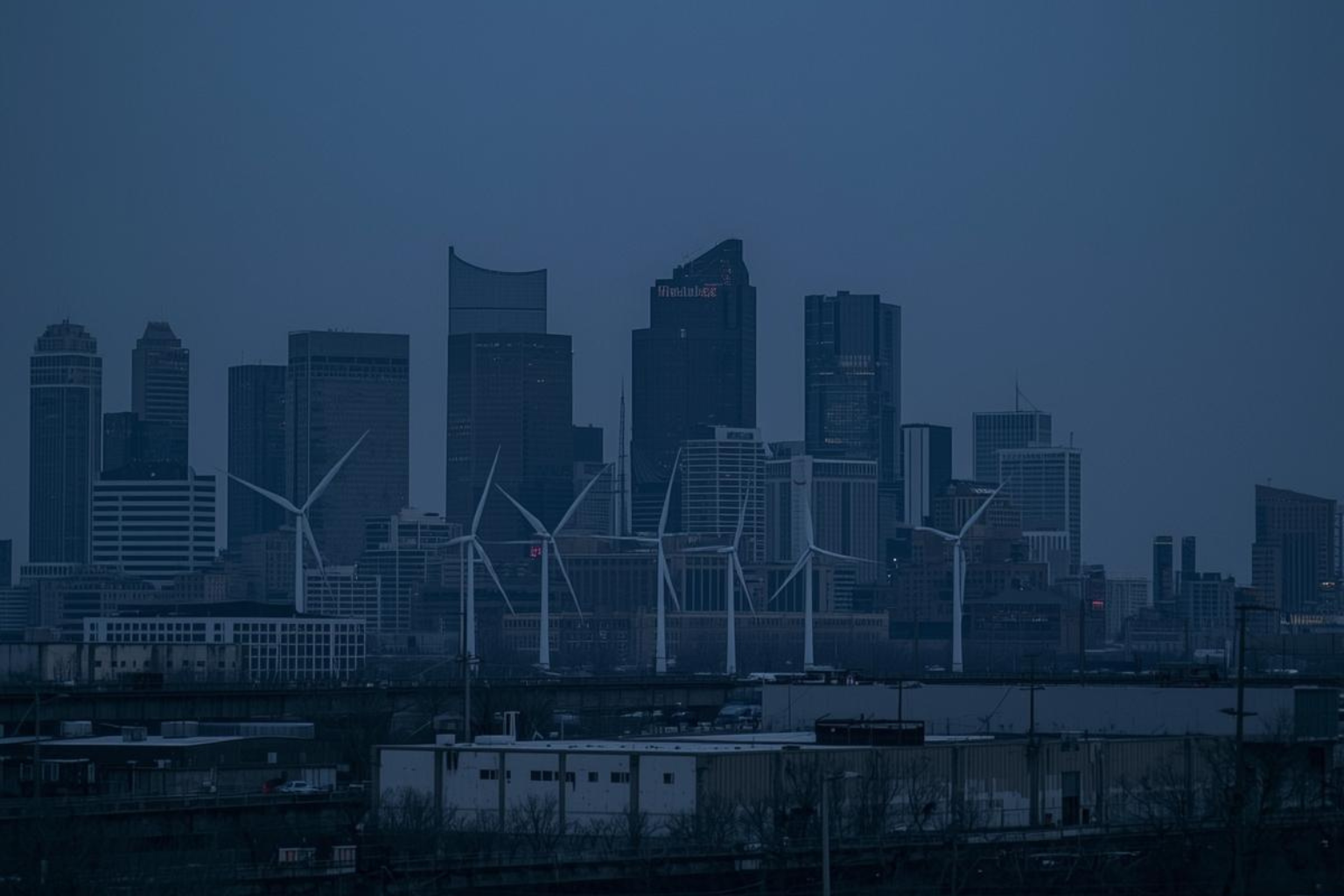
Texas is experiencing a rapid temperature decline that has placed new pressure on the state’s power grid; the Electric Reliability Council of Texas has issued an early advisory as system demand rises sharply across multiple regions. Meteorologists confirmed that a cold front moving from the northwest reached Texas faster than projected; several counties recorded temperature drops of more than ten degrees within hours, leading to immediate spikes in heating usage.
ERCOT Issues Early System Advisory
ERCOT stated that energy consumption increased significantly during the pre-dawn hours; officials noted that demand levels reached thresholds typically observed during peak winter conditions rather than early season fluctuations. The council emphasized that the grid remains stable; however, operators are monitoring reserve margins closely due to abrupt load changes.
Preliminary data shows that power usage climbed more than expected in Houston, Dallas, Austin, and parts of West Texas. The agency also confirmed that several natural gas facilities reported slower output transitions during the temperature shift; this contributed to short-term volatility in supply availability.
Residents Urged to Reduce Consumption During Peak Hours
State officials advised the public to implement basic conservation measures; authorities clarified that the advisory is not an emergency notice but a preventive step designed to maintain comfortable reserve capacity. Texans were encouraged to lower heating device usage during peak periods; recommendations include adjusting thermostats slightly downward, switching off unused appliances, and minimizing heavy power consumption between 6 AM and 10 AM.
Energy analysts pointed out that sudden cold waves strain heating systems that have remained unused for extended periods; many households switch on high-load devices simultaneously, creating a short-term surge across local grids. This pattern is common during early seasonal transitions and often precedes larger winter weather events.
Utilities Report Localized Strains but No Large-Scale Failures
Major utility providers across Texas confirmed that the system is supporting current demand; however, several neighborhoods experienced minor fluctuations and isolated outages linked to equipment stress. Technicians were deployed quickly; service was restored in most affected zones within an hour.
According to utility logs, the majority of issues stemmed from transformer overloads in densely populated residential corridors. Providers stated that contingency crews are active statewide; repair teams have been instructed to stay on elevated alert for the next twenty-four hours.
Meteorologists Warn of Continued Temperature Instability
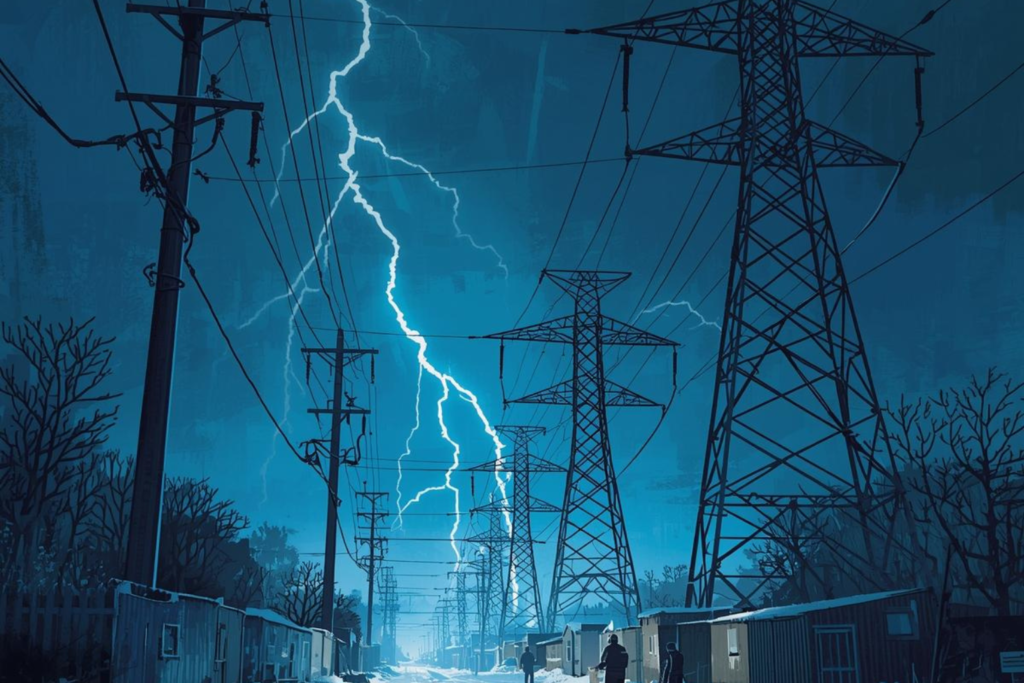
Weather specialists forecast additional fluctuations through the week; a secondary cold front is expected to push temperatures even lower in northern and central Texas. Wind conditions may intensify overnight cooling, increasing heating demand once again. The National Weather Service indicated that cities including Dallas, Fort Worth, Waco, and Abilene could experience extended cold spells; forecasters noted that frost conditions may develop on elevated surfaces.
Climatologists attribute recent patterns to strong atmospheric shifts across the southern United States; this season has already recorded multiple abrupt temperature swings driven by irregular jet stream behavior.
Energy Market Reaction and Preparedness Measures
The sudden rise in power usage also influenced day-ahead electricity prices across the state’s wholesale market; early market data shows moderate upward movement as grid operators adjust supply projections. Energy traders expect temporary volatility; however, long-term stability remains intact due to improved fuel reserves and expanded renewable integration across Texas.
State officials emphasized that infrastructure upgrades completed over the past two years have strengthened the grid’s resilience. Additional winterization improvements across natural gas facilities and power plants are expected to reduce operational disruptions as colder conditions advance.
Public Safety Agencies Coordinate Statewide Response
Emergency management departments are working with local authorities to monitor vulnerable communities; shelters in multiple counties have opened for individuals lacking adequate heating access. Hospitals and emergency services have been instructed to confirm backup power readiness as a precautionary measure.
Authorities advised residents to stay updated through official bulletins; they also highlighted that upcoming nights may see the sharpest drops, increasing the importance of preparedness at household and municipal levels.