Fridges and freezers in European supermarkets are under attack again. A fresh wave of suspected cyberattacks overnight raised temperatures and spoiled food at dozens of stores across Belgium, Ireland, Luxembourg and Sweden, according to TechCrunch, with CNBC and The Korea Times also reporting the incident.
What happened. Supermarket groups Ahold Delhaize and Colruyt confirmed the hacks overnight, according to TechCrunch. A Belgian company that operates Delhaize’s systems said the attackers changed settings so that the units went into defrost mode, per Reuters as cited by TechCrunch. Stores had heavy food losses and threw out goods that had defrosted or could no longer be consumed.
Where it hit. TechCrunch lists Belgium, Ireland, Luxembourg and Sweden. Other coverage adds detail: Colruyt said five shops were attacked, Musgrave reported affected systems in 13 SuperValu stores in Ireland, Swedish grocers ICA and Coop reported temperature spikes, and Danfoss said at least 17 smaller shops were affected in the Netherlands. These counts come from other reports and have not been checked against company statements here.
The earlier attack. This follows refrigerator hacks in France in October 2026 that caused food spoilage at hundreds of supermarkets by deliberately raising unit temperatures, according to TechCrunch.
The suspected weak point. Security researchers said the cause was internet-connected refrigeration equipment made by Danish company Danfoss that was no longer receiving security updates. TechCrunch notes that security firm Claroty warned in August 2026 that these units were at risk of remote hacks and outages. Danfoss says it is working with customers on fixes, according to other coverage.
Who is behind it. TechCrunch does not attribute the European attacks to any group, and describes them as suspected. The same article says US Department of Defense officials are reportedly investigating whether freezer units on military bases were hacked by Iran-backed hackers, and that Iranian hackers were blamed for attacks on US water providers earlier in 2026, but it does not link those to the European incidents.
Why it matters. The attacks show how ordinary connected equipment can become a target. A hacked fridge controller does not steal data, but it can destroy stock worth a lot of money and disrupt food supplies. TechCrunch recalls that a 2025 attack on distributor UNFI caused shortages and empty shelves in US grocery stores. For shops in the UK and US, the lesson is to check that internet-connected cold-storage equipment still gets security updates, and to keep it off the open internet.
What to watch. Look for an official attribution, a patch or replacement plan from Danfoss, compensation questions for retailers, and regulators’ responses on the security of connected industrial devices.
Sources: TechCrunch, CNBC and The Korea Times. Figures are as reported by those outlets and the companies they quote.
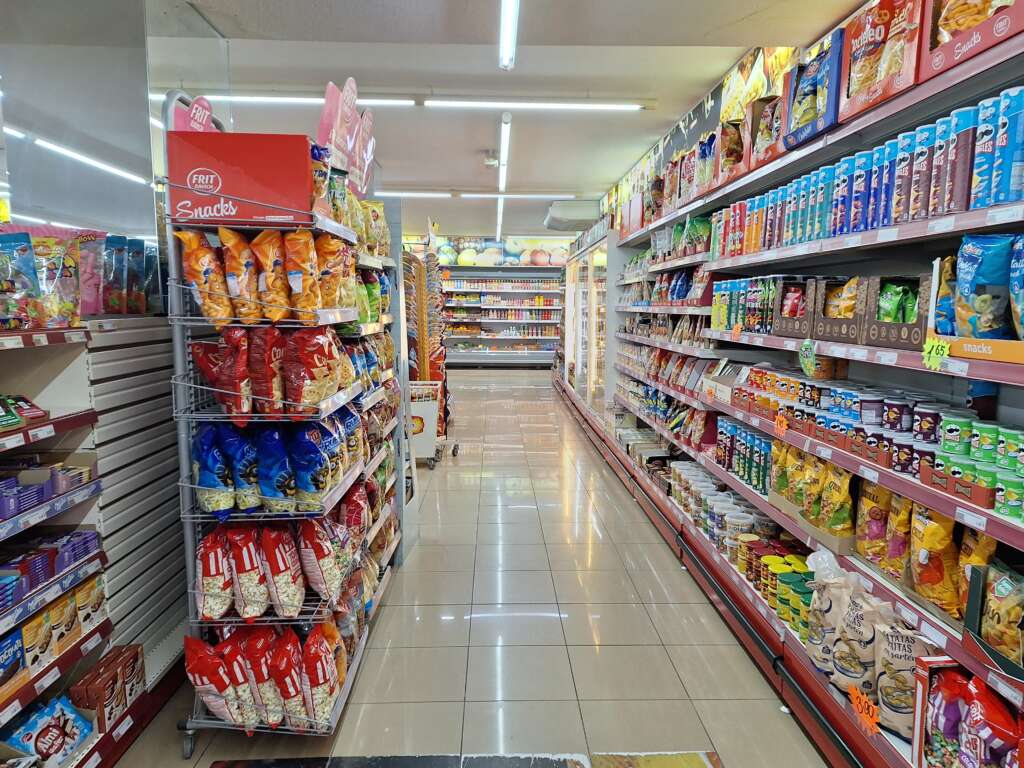
Supermarket interior (representative image), Wikimedia Commons, CC BY-SA 4.0