Artificial Intelligence has become the most important part of the global technology race today. Every major tech company is investing billions of dollars so that they have enough computing power to develop powerful AI systems. In this same AI race, an interesting development is connected with ByteDance, which is the parent company of TikTok. Recently, the focus keyword ByteDance AI chips access has become an important topic in the technology world as the company looks for ways to secure advanced computing resources.
The United States has imposed restrictions in the past few years on exporting advanced AI chips to China. This means companies like Nvidia cannot directly sell their most powerful processors to Chinese companies. But according to reports, ByteDance has found a smart solution to this challenge. The company is planning to access the latest AI chips by building infrastructure outside China and working with overseas partners. This could help ByteDance expand both its artificial intelligence research and its global technology presence.
ByteDance’s AI Vision
If you think ByteDance is only a TikTok company, then you might not know that the company has been working very aggressively on artificial intelligence over the past few years. Apart from TikTok, ByteDance is focusing on developing AI-driven tools and applications. The long-term vision of the company is to challenge global leaders in artificial intelligence such as Google and OpenAI. However, developing AI is not a simple task. It requires extremely powerful computers and huge datasets.
To train modern AI models, companies need thousands of GPUs. These GPUs are specially designed for machine learning and deep learning tasks. Nvidia is currently the leading company in this field. However, because of U.S.–China technology tensions, it has become very difficult for Chinese companies to directly access Nvidia’s latest chips.
Why Nvidia’s Blackwell AI Chips Are Important
Nvidia has recently introduced its next-generation AI architecture known as Blackwell. These processors are designed specifically to train large AI models and handle complex workloads. Today, any company that wants to develop advanced artificial intelligence requires extremely powerful chips. That is why Blackwell processors are considered a game-changing technology in the AI industry .However, because of U.S. export control policies, these chips cannot be directly deployed inside China. For this reason, Chinese technology companies are exploring new strategies to indirectly access these processors. According to reports, ByteDance is also working in this direction.
Partnership With Aolani Cloud
ByteDance is reportedly partnering with a Southeast Asian cloud company called Aolani Cloud. The plan is to build a large-scale AI infrastructure in Malaysia that will use Nvidia Blackwell processors. According to sources, the project could include around 500 Nvidia Blackwell computing systems. These systems may contain nearly 36,000 B200 AI chips, which would provide extremely powerful hardware for AI training. If the project is fully executed, the investment in this infrastructure could exceed $2.5 billion. Aolani Cloud will purchase these servers, and they will be assembled by a company called Aivres. These servers integrate Nvidia chips and are designed specifically for heavy AI workloads. Technically, the hardware will remain under Aolani Cloud’s ownership, but ByteDance will be able to access the computing power through cloud services. This type of arrangement allows companies to comply with export regulations while still gaining access to powerful AI infrastructure.
Why Malaysia Was Chosen for AI Infrastructure

Malaysia has recently become a popular destination for data centers and cloud infrastructure in Southeast Asia. There are several reasons behind this trend: stable regulations, relatively lower operational costs, and proximity to major Asian technology markets. By setting up AI data centers in Malaysia, companies can serve global customers while avoiding some geopolitical restrictions that directly apply to China. According to reports, ByteDance is already using servers in Malaysia that contain Nvidia H100 chips. If the Blackwell systems are deployed, the company’s computing capacity will increase significantly.
ByteDance’s Global AI Teams

ByteDance is not developing AI only in China. The company has established research teams in several global technology hubs. Today, ByteDance engineers and AI researchers are working in cities like Singapore, San Jose, and Seattle. These teams collaborate closely with researchers in China to build advanced AI technologies.
One advantage of this global collaboration is that the company can develop AI products specifically designed for different international markets. This strategy also strengthens ByteDance’s international presence in the technology industry.
ByteDance’s AI Products
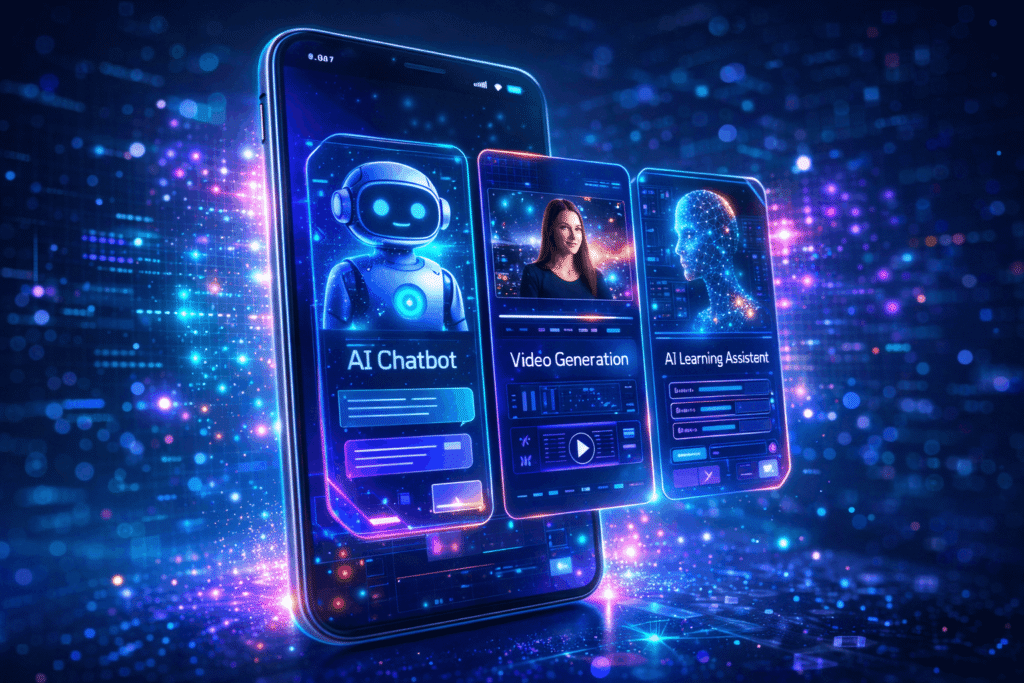
Over the past few years, ByteDance has launched a wide range of AI-based applications. In China, the company has released more than a dozen AI apps, and many of them also have international versions. Dola is an AI chatbot that talks with users and helps them find answers to their questions. Dreamina is an AI video creation tool that helps users generate creative visual content. Gauth is an AI homework assistant that helps students solve academic problems. Apart from these tools, ByteDance has also developed an AI video generation model called Seedance. This technology can convert scripts or text prompts into realistic short video scenes. In the field of AI media creation, this is considered a very impressive development.
ByteDance’s Position in Consumer AI Apps
ByteDance has also built a strong presence in the consumer AI market. According to a ranking by venture capital firm Andreessen Horowitz, ByteDance operates five of the world’s top 50 AI consumer applications. This achievement shows that the company is not only researching AI but also successfully building products used by real users. TikTok’s massive global audience also provides a huge advantage. ByteDance can introduce new AI tools and reach millions or even billions of users very quickly.
Impact of U.S.–China Tech Tensions
One of the biggest challenges for ByteDance’s AI growth is the geopolitical tension between the United States and China. Over the past few years, the U.S. government has introduced export control rules that limit the transfer of advanced semiconductor technology to China. The goal of these policies is to slow China’s progress in developing cutting-edge artificial intelligence technologies. However, technology companies have started developing alternative strategies to deal with these restrictions. One common strategy is to build data centres in countries with more flexible regulationsand then access computing power through cloud services.
Rise of AI Infrastructure Intermediaries
Because the demand for AI computing is growing rapidly, a new industry segment is also emerging. Some companies are now specializing in building data centers equipped with advanced chips and leasing computing power to other companies. Aolani Cloud follows a similar business model. According to reports, the company was established in 2023, and its parent company structure is registered in the Cayman Islands. One of its investors is Singapore-based venture capital firm K3 Ventures. The company focuses on helping Asian technology firms access global AI infrastructure.
Nvidia’s Global Role
Nvidia plays an extremely important role in the global AI ecosystem. Most of the world’s advanced AI models are trained using Nvidia GPUs. Even with export restrictions, Nvidia’s business model still allows cloud providers outside restricted countries to deploy its advanced chips. This means data centers located in places like Malaysia, Singapore, or Europe can legally use powerful Nvidia processors. Once the infrastructure is deployed, these centers can provide cloud computing services to international clients.
Future Expansion Plans
Aolani Cloud has also announced plans to expand its infrastructure in the future. In addition to Malaysia, the company may establish data centres in South Korea, Australia, and parts of Europe. This expansion could increase the global availability of AI computing resources.
At the same time, ByteDance is also hiring AI talent worldwide. Reports indicate that the company is recruiting for more than 100 artificial intelligence positions in locations such as San Jose and Seattle.
ByteDance’s Future AI Strategy
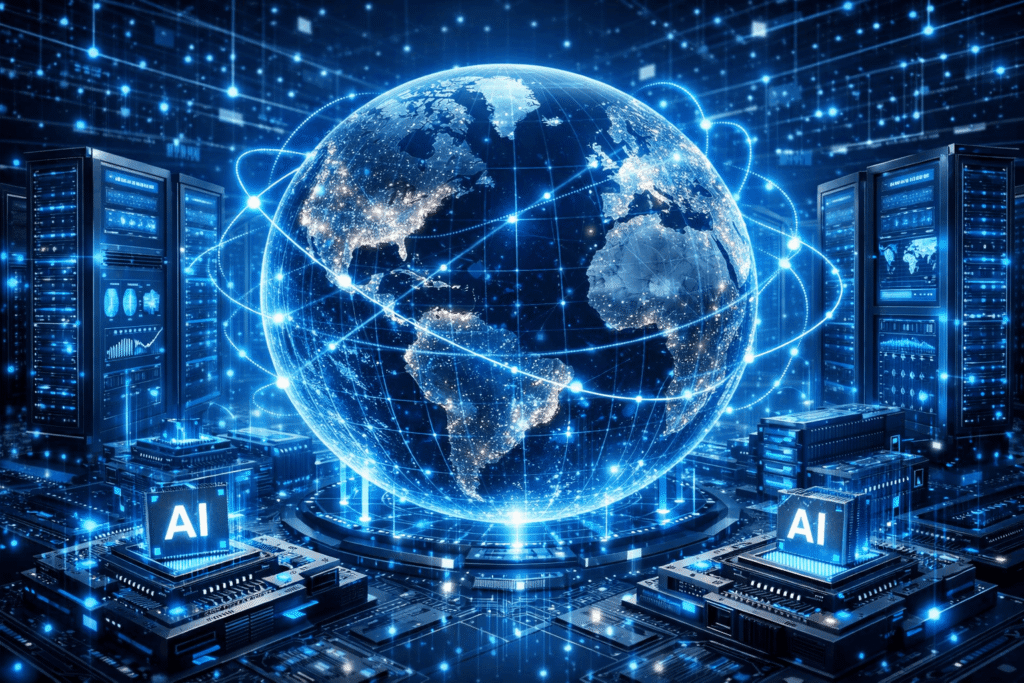
Overall, ByteDance’s strategy clearly indicates that artificial intelligence will play a major role in its future growth. Through overseas infrastructure, global research teams, and innovative AI products, ByteDance is strengthening its position in the global AI industry. The race for AI leadership is becoming more intense than ever. Every major technology company is investing heavily in computing power, research talent, and infrastructure. ByteDance CEO Liang Rubo has reportedly told employees that the company’s goal is simple to reach the highest summit in artificial intelligence. Whether ByteDance will achieve this ambitious goal remains to be seen, but it is clear that the company is making serious efforts to leave a strong mark on the global AI industry.
FAQ
What is ByteDance AI chips access?
ByteDance AI chips access refers to the strategy used by ByteDance to obtain advanced Nvidia AI processors through overseas infrastructure and cloud partnerships instead of directly importing them into China.
Why can’t ByteDance directly buy Nvidia’s advanced AI chips?
The United States has imposed export restrictions that prevent companies from selling certain advanced semiconductor technologies, including top AI chips, directly to Chinese companies.
Why is Malaysia important in ByteDance’s AI strategy?
Malaysia is becoming a major hub for data centres because of its stable regulations, lower operating costs, and strategic location in Southeast Asia.
What are Nvidia Blackwell chips used for?
Nvidia Blackwell processors are designed for training large artificial intelligence models, handling complex AI workloads, and supporting advanced machine learning systems.
Which AI applications has ByteDance developed?
ByteDance has developed several AI tools including Dola (AI chatbot), Dreamina (AI video creator), Gauth (homework assistant), and the Seedance AI video generation model.
How is ByteDance competing in the global AI market?
ByteDance is investing in overseas infrastructure, building global research teams, and developing consumer AI applications to compete with major technology companies worldwide.