

Motorola has recently announced a strategic partnership with GrapheneOS. GrapheneOS is a mobile operating system that is known for its strong privacy and security features. This collaboration is an important signal that the smartphone industry is now starting to take digital privacy and secure mobile computing more seriously.The Motorola GrapheneOS partnership highlights how companies are now focusing more on protecting user data in modern smartphones.Today, smartphones are no longer just communication devices. People use their phones for banking apps, store personal photos, manage work documents and even handle daily conversations. Because of this, mobile devices contain a huge amount of sensitive information.The main goal of the Motorola and GrapheneOS partnership appears to be providing users with a more secure and privacy-focused smartphone experience in the future.
Why Privacy Has Become So Important Today
In the past few years, awareness about digital privacy has increased significantly. People have become more concerned about how their data is being collected, who is using it and whether their activities are being tracked or not. Issues like data breaches, spyware attacks and online surveillance have also made users more alert. Many people now do not focus only on the camera, battery or performance when buying smartphones. They also want to know how well a device protects their personal information. Motorola working with GrapheneOS is likely a response to this growing demand. The company clearly understands that privacy could become a major factor in future smartphones.
What GrapheneOS Is and Why It Is Different
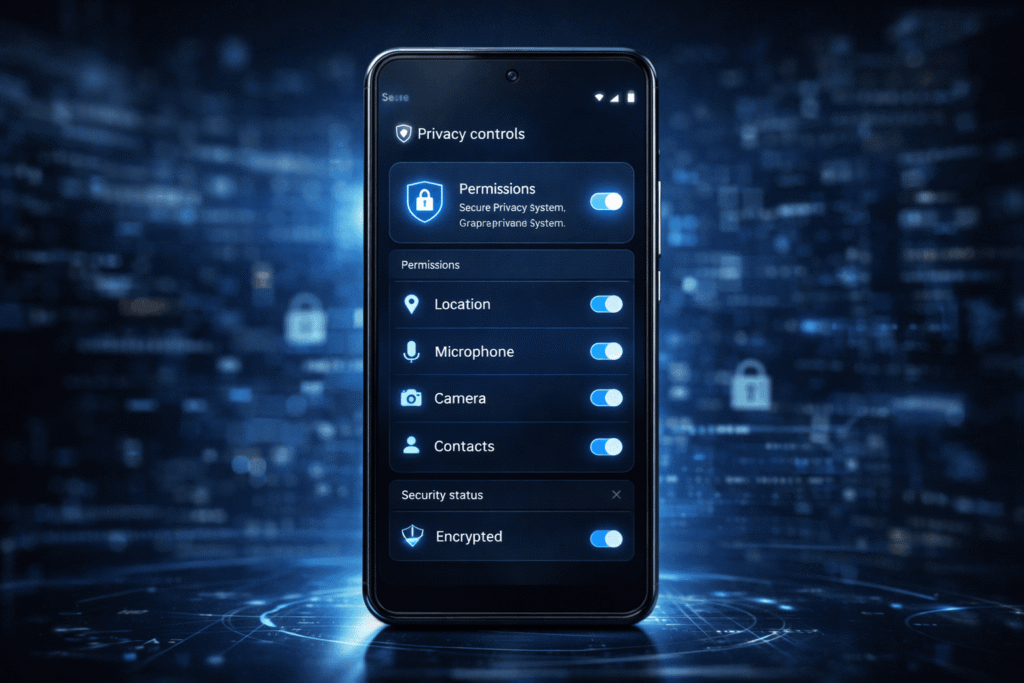
GrapheneOS is an open-source mobile operating system based on the Android Open Source Project.In simple terms, it is a modified version of Android that has been specially designed with security and privacy in mind. Cybersecurity experts often consider GrapheneOS to be one of the most secure Android-based operating systems available today. In many normal Android phones, several services are already installed by default, including Google services.GrapheneOS takes a different approach.It gives users more control over which services should run on their device and which should not. Because of this, unnecessary background data sharing is reduced and users get better control over their devices.This is also the reason why developers, journalists and security researchers often prefer GrapheneOS.
Important Security Features of GrapheneOS

One of the biggest strengths of GrapheneOS is its advanced security architecture. This operating system includes several protections designed to reduce hacking attempts and cyber threats.
Hardened memory protection
Because of this feature, it becomes much harder for attackers to take advantage of software vulnerabilities.
Better app sandboxing
Every application runs in an isolated environment, which prevents it from accessing other parts of the system without permission.
Exploit protection mechanisms
Even if a weakness exists in the system, these protections make it very difficult for attackers to exploit it.
Strict permission controls
Users can clearly decide whether apps should access features like location, microphone or camera.
When all these layers work together, the overall security of the device becomes significantly stronger.
What Motorola Wants to Achieve From This Partnership
The smartphone market is already highly competitive. Every brand highlights its devices through cameras, processors and design. However, security and privacy have rarely been the main focus of marketing. Motorola may be seeing a new opportunity in this area. Through the Motorola GrapheneOS partnership, the company could develop smartphones that attract privacy-conscious users. Users such as journalists, developers, security experts and corporate professionals often require strong security. If Motorola adds privacy-focused features to future devices, it could become very appealing for these users. At the same time, regular users who simply want better protection for their personal data may also find these devices attractive.
What New Features Could Appear in Future Motorola Phones
Motorola has not officially shared how GrapheneOS technology will be integrated into devices yet.However, several possible features are already being discussed in the industry.
Future Motorola smartphones could include the following:
Privacy-focused operating system options
Advanced security monitoring tools
Hardware level protection against cyber attacks
Better app permission management
Detailed security dashboards
If these features are implemented, everyday users could gain access to powerful security tools that were previously mainly used in enterprise environments.
What Impact This Could Have on the Smartphone Industry
The Motorola GrapheneOS partnership could influence the entire smartphone industry.Until now, companies have mostly focused on performance improvements and camera upgrades.If Motorola succeeds with privacy-focused smartphones, other brands may also start investing more in security improvements.In the long run, this could lead to stronger privacy standards across the Android ecosystem.
Challenges Motorola Might Face
Although the benefits of this partnership appear promising, there are also some challenges. The biggest challenge is the heavy use of Google services. Many users rely on apps like Gmail, Google Maps and the Play Store. Privacy-focused systems sometimes restrict or manage these services differently. Because of this, some users may feel that the experience is different from the traditional Android environment. Motorola will need to maintain the right balance between strong security and user convenience. Another challenge is awareness. Technical terms like sandboxing, exploit mitigation, and hardened memory protection are not easy for all users to understand. If the company can explain these features in simple language, adoption could grow much faster.
A Major Shift Happening in the Tech Industry
The Motorola and GrapheneOS partnership reflects a larger trend in the technology industry. Cyber threats are continuously evolving, and governments are introducing stricter data privacy regulations. As a result, tech companies are now making security a core part of their product design instead of treating it as an optional feature. Smartphones naturally become a major focus because they store so much personal information.
What We Can Expect in the Future
In the coming years, privacy and security could become major selling points for smartphones.Users are gradually becoming more aware and are starting to take the protection of their personal data more seriously.The Motorola GrapheneOS partnership could lead to devices that provide a much safer mobile environment for users.If this initiative becomes successful, it may start a new trend in the smartphone industry where companies give equal importance to privacy and data protection along with hardware innovation. For Motorola, this move clearly shows that the future of smartphones will not depend only on powerful hardware but also on how well devices can protect user data.
FAQ
What is the Motorola GrapheneOS partnership?
The Motorola GrapheneOS partnership is a collaboration where Motorola is working with GrapheneOS to explore stronger privacy and security features for future smartphones.
What is GrapheneOS?
GrapheneOS is an open-source mobile operating system based on the Android Open Source Project that focuses on advanced privacy protection and strong security architecture.
Why is privacy becoming important in smartphones?
Smartphones now store sensitive data like banking information, personal photos and work files, which makes strong privacy and security protections more important than ever.
Will future Motorola phones run GrapheneOS?
Motorola has not confirmed exact details yet, but the partnership suggests that future devices may include privacy-focused software options or security features inspired by GrapheneOS.
Who might benefit the most from privacy-focused smartphones?
Journalists, developers, security professionals and users who care about protecting their personal data could benefit the most from privacy-focused smartphones.


